Article
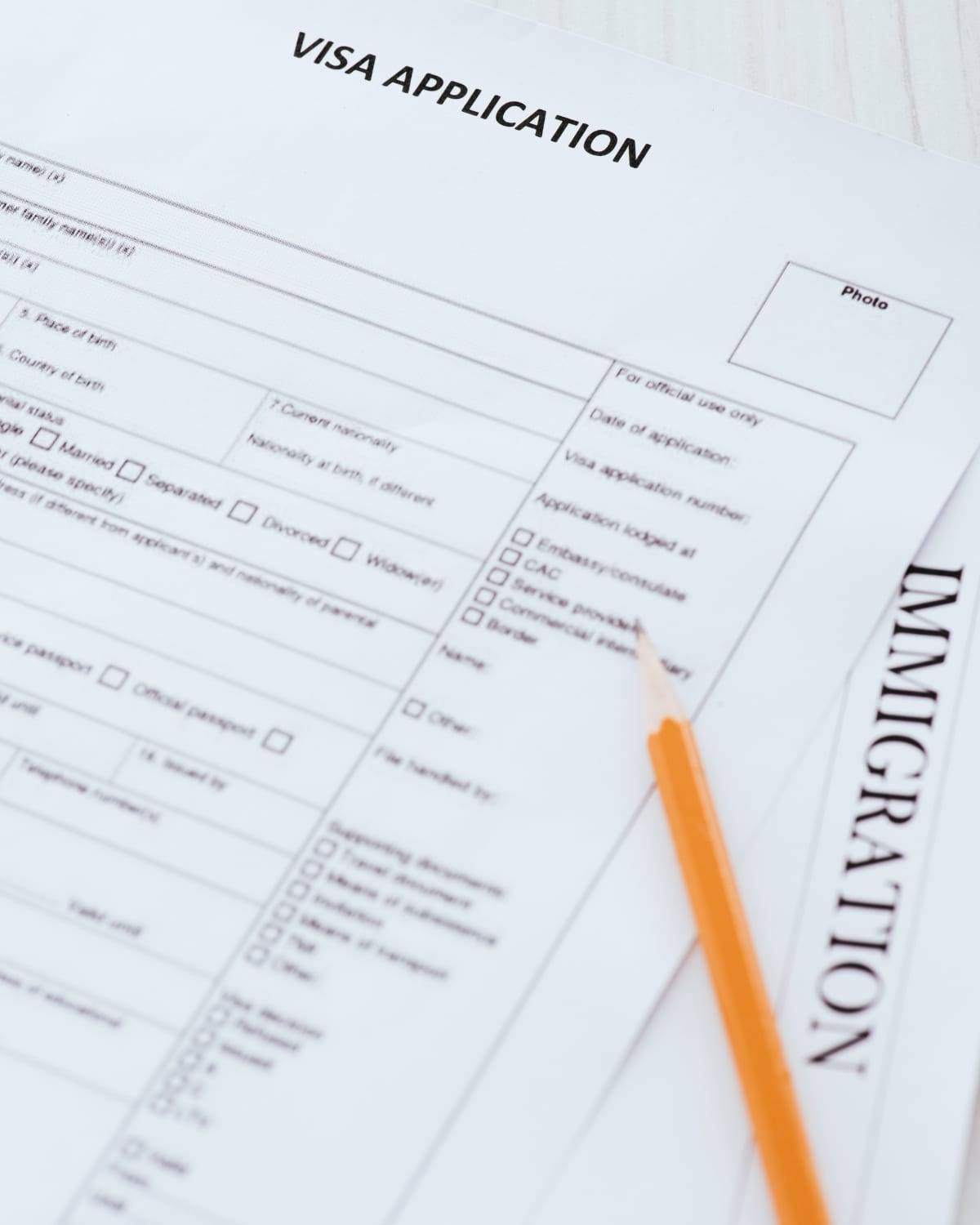
Search “Serbia residence permit timeline” and you will get four answers. One site says 4-6 weeks. Another says 2-4 weeks after submission and 6-10 weeks in total. Serbian legal-practice sources state 30 to 60 days for the unified work-and-residence permit. We say processing commonly runs 4-8 weeks from a complete file.
Those figures look like a contradiction. Mostly they are not. They are answers to four different questions, published as if they answered the same one. This post separates them, then walks the process phase by phase, so you can see where your time and money actually go.
Every duration below is typical, not guaranteed. That phrase runs through this entire site for a reason, set out in full in why we will not promise approval.
Why the published numbers disagree
Four things move a Serbian residence timeline, and almost every published figure quietly fixes one of them without telling you which.
The ground you apply on. Serbia recognizes four practical grounds, covered in detail in the four residence permit grounds. Employment-based applications typically take longer than self-employment applications, because the employment route runs through the unified permit system introduced in 2024 and requires the employer side of the file to be in order first. A figure quoted for a freelancer is not a figure for a sponsored hire.
The municipal office. Your intended address determines which Ministry of Interior branch receives your file. Caseloads differ. So does the local view of what a complete submission looks like, which is why a document accepted at one window can be queried at another.
The season. Holiday periods thin out staffing on both sides of the counter, including at the translation and apostille offices you depend on before you ever reach the Ministry.
Completeness of the file on the day it is submitted. This is the big one, and the only one you control. Applications submitted with a complete, correctly translated and apostilled document set consistently move faster than incomplete ones.
A single number can only be honest if it names which of those four it assumes. Most do not.
What each published figure is actually measuring
- 30 to 60 days is the standard stated processing window for the unified permit from a complete submission, per Serbian legal-practice sources. It measures the decision period, and it applies to the employment route specifically.
- 4-8 weeks is what we observe as a typical decision period across grounds, from a complete file. Again: the decision, not the preparation.
- Figures phrased as “6-10 weeks total” try to include submission through to card, which is closer to useful but still excludes everything you do at home first.
- Nothing on that list includes apostilles, translations, or establishing your ground. That preparation is usually the longest phase of the whole project, and it is the phase almost nobody publishes.
That last point is the one worth carrying away. When someone asks how long a Serbian residence permit takes, they usually mean “how long from now until I am legally settled,” and the honest answer to that question is months rather than weeks.
The timeline, phase by phase
Phase 1: documents in your home country
This starts before you travel and it cannot be moved. An apostille must be attached to a document in the country that issued it, which means a foreign document generally cannot be fixed after you land. Turnaround varies from days to several weeks depending on the country and the issuing office. In the United States specifically, state apostilles typically take 1-4 weeks and federal ones 4-8 weeks, with expedited services available for additional fees.
Time your criminal background check against your planned filing date rather than your departure date, since these carry their own validity window and getting one too early is as costly as getting one too late. Our five documents to apostille post covers the sequencing in full.
What moves this phase: your country’s apostille authority, whether your country is a Hague Convention member at all, and how many of the five documents your specific ground actually requires.
Phase 2: certified translation
Apostille first, translation second, using the apostilled document as the source. Serbian authorities typically require a certified translation into Serbian by a licensed court translator, in addition to the apostille, not instead of it. Reversing that order means paying twice.
This phase can overlap with travel, but not with Phase 1.
Phase 3: arrival and the 24-hour address registration
Every foreigner in Serbia must register their address with the local police within 24 hours of arriving. Hotels and registered accommodation do this automatically; if you are staying privately, you register in person and you need your host’s cooperation. The slip you receive is the white card (prijava boravišta).
This is a one-day step that becomes a multi-week problem if skipped, because proof of registered address is part of the residence file. A missing white card is not a paperwork nuisance. It is a hole in your application.
Phase 4: establishing your ground
Depending on the route, this is the phase where a business gets registered, a lease gets signed, an employment file gets assembled, or a property transaction completes. It is highly variable by ground, and it is the phase most often done in the wrong order. Filing before the underlying structure exists is a common cause of a failed first attempt.
Most applicants have room to do this inside the visa-free window, which is 90 days in a rolling 180 for many nationalities. That window is tighter than it looks, and the mechanics are in our 90-day rule post.
Phase 5: submission
A single appointment at the correct municipal Ministry of Interior office. Submitting through the wrong branch adds real delay. The appointment itself is short; everything that makes it go smoothly happened in Phases 1 to 4.
Phase 6: the decision period
This is where the published figures live. Commonly 4-8 weeks from a complete file, typical rather than guaranteed, varying by office, season, and ground. Employment-based cases sit at the longer end because of the sequential employer-side approval.
Phase 7: card collection, and the clock that starts next
Your residence card is issued and collected, and the renewal calendar starts the same day. The unified permit is currently issued for up to three years and renewable under the same conditions. Permanent residence becomes available after three years of continuous temporary residence, which is why a lapsed renewal is expensive in a way that has nothing to do with money. See temporary to permanent residence for how continuity actually works.
What the cost is actually made of
We are not going to publish a single euro figure, for the same reason we will not publish a single timeline: it would be a number invented for the convenience of looking decisive. What we can do is name every component, so you can price your own case honestly and recognise when someone else’s quote is missing something.
- The administrative fee set by the authorities. Fixed, not negotiable, payable regardless of outcome.
- Apostille fees in your home country. Charged per document by the issuing authority, at rates set by that country rather than by Serbia. Expedited handling costs more.
- Certified translation. Priced per document by licensed court translators, so this scales directly with how many documents your ground requires.
- Health insurance valid in Serbia. A document requirement on paper and a real ongoing cost in practice.
- The cost of establishing your ground. Company formation for the self-employment route, a lease or purchase for property-based routes, nothing extra where a qualifying family relationship already exists. This is the component with the widest spread between routes.
- Our delivery partner’s service fee, disclosed before you commit, not after.
Two of those six scale with document count, which is the practical lever. Identifying the correct ground first, and apostilling only what that ground needs, is worth more than shopping for a cheaper translator.
What actually causes delays
The delays cluster into a short list, and most of them sit on your side of the counter.
- Missing or incorrectly apostilled documents. A document that needs a Hague apostille but carries only a notary stamp restarts the document-preparation clock entirely. This is the most common single cause we see.
- Documents translated before they were apostilled. Avoidable, and it means paying for the translation twice.
- A background check that expired while the rest of the file was still in progress.
- Filing on a ground that has not been properly established yet, most often a self-employment application submitted before the underlying registration exists.
- Submitting to the wrong municipal office, which is determined by your intended address.
- Consular legalization instead of apostille, if your country is not a Hague Convention signatory. Longer, extra steps, and a frequent surprise.
Two things on that list are outside your control: office caseload and season. Everything else is preparation. That asymmetry is the whole argument for treating the document phase seriously rather than as admin to sort out on arrival.
If the answer is no
This is the question people are most afraid to ask, and the one competitor pages tend to skip.
Rejection reasons are typically tied to incomplete or incorrectly prepared documentation rather than eligibility itself. That distinction matters, because a documentation-based refusal and an eligibility-based refusal point to completely different next steps.
The realistic sequence is: read the stated reason carefully, establish whether it is fixable, then decide between correcting and reapplying, applying on a different ground that genuinely fits, or accepting that this route does not work for your situation. In many cases a reapplication or a different ground is possible. Nobody can promise you an appeal outcome, and an advisor who does is selling confidence they do not have.
What we will do is tell you the actual reason plainly and walk you through the options that genuinely remain.
The honest summary
Decision periods commonly run 4-8 weeks from a complete file, typical and not guaranteed. Total elapsed time from “we are doing this” to a card in your hand is usually measured in months, and most of that is document preparation you can start today, from your own country.
Budget in components rather than a single figure, and be sceptical of anyone who quotes you one without first asking which ground you are on.
Book a free 30-minute eligibility call and we will map your specific ground, your document set, and a realistic range for your case, before you book a flight around a number you read on the internet.
Frequently asked questions
How long does a Serbia residence permit take? Commonly 4-8 weeks from a complete file for the decision itself, typical rather than guaranteed. Total time including preparation is usually longer.
Why do different websites publish different timelines? They measure different stages. Some quote the decision period, some submission through to card, and none include the apostille and translation work that comes first.
What is the single biggest factor in how long it takes? Whether your file is complete and correctly prepared on the day it is submitted, which is also the factor you control.
What does a Serbia residence permit cost? There is no single figure. It is assembled from an administrative fee, apostille fees, certified translation, health insurance, the cost of establishing your ground, and our delivery partner’s service fee, disclosed before you commit.
Which costs can I reduce? Translation and apostille costs scale with document count, so identifying the right ground first and apostilling only what it needs is the real saving.
What happens if my application is rejected? Reasons are usually documentation-related rather than eligibility-related, and the next step depends entirely on the stated reason. Reapplication or a different ground is often possible.
Should I book flights around the published timeline? No. Treat every published figure as a planning range, including ours, and build slack into anything expensive to change.
Do renewals take as long as the first application? Each renewal carries its own document set and processing time, usually more straightforward once established, but never a formality.