Article
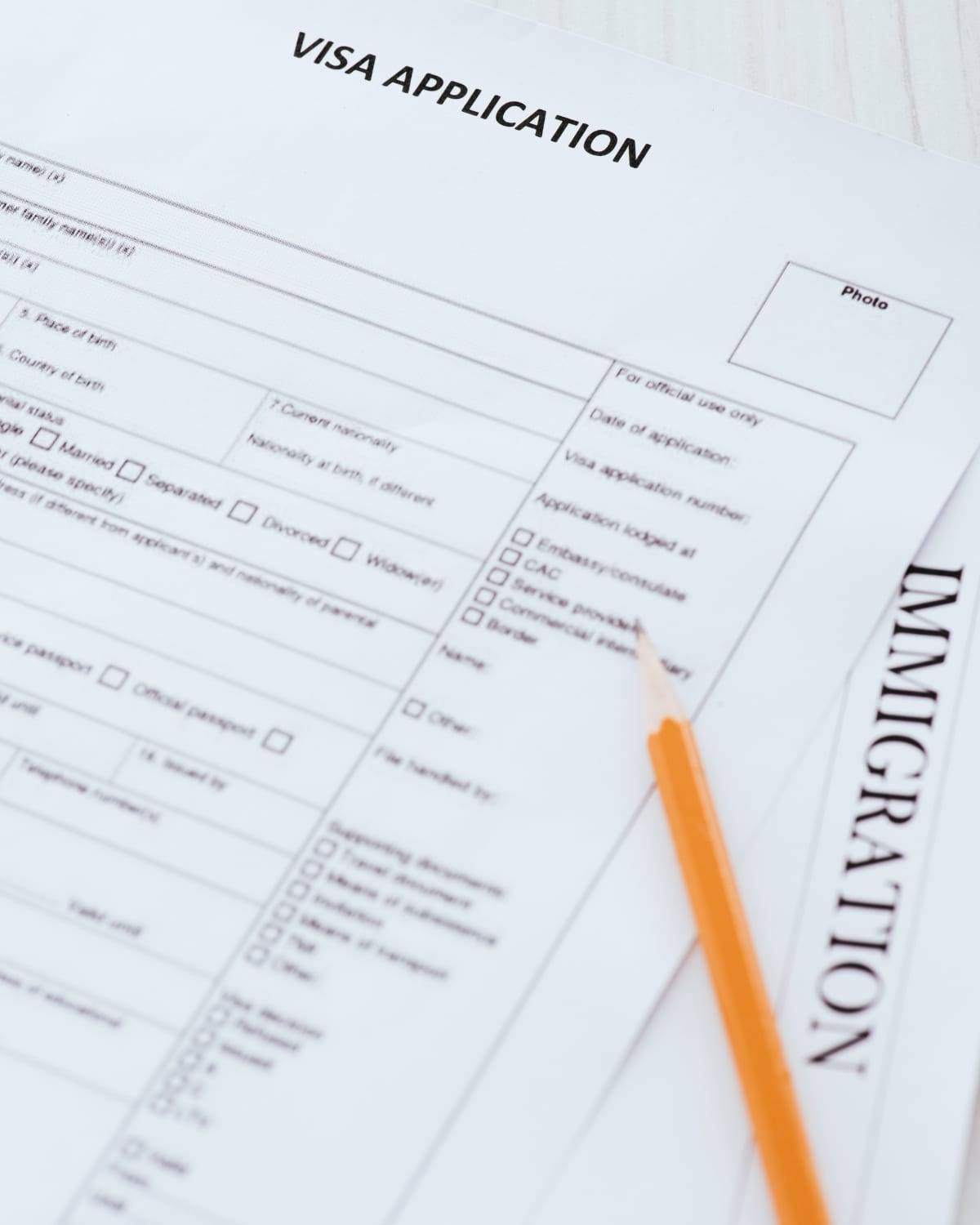
Search “Serbia residence permit” and you will find a dozen pages listing vague eligibility categories without explaining which one actually fits a real person’s situation. Serbia recognizes four practical grounds for temporary residence. Here is what each one actually requires, and who it genuinely suits.
Why “grounds” is the right word to focus on
Serbia does not grant residence simply for wanting to live there. Every application needs a recognized ground, a legal basis connecting the applicant to Serbia in a specific, documented way.
Understanding which ground fits your actual situation, honestly, before you assemble documents, is the single biggest lever over whether your first submission goes smoothly. Choosing the wrong ground, or trying to force a situation into the wrong category, is one of the most common avoidable mistakes we see.
Ground one: employment-based residence
A Serbian employer or registered entity sponsors the application, typically alongside a work permit under the unified permit system introduced in 2024. This is the most straightforward ground for someone with a genuine job offer or existing role at a Serbian company.
This ground suits employees relocated by a multinational’s Serbian office, hires brought on by a local company, and founders who employ themselves through their own Serbian DOO. See our work permit page for how the merged application actually works.
Ground two: self-employment and entrepreneurship
This is the practical equivalent of a digital nomad visa, and the ground most remote workers and freelancers use. Serbia has no dedicated visa category under that specific name, but registering as a paušalac (flat-rate entrepreneur) or founding a DOO and applying for residence on that economic basis achieves the same outcome in practice.
This ground suits remote employees of a foreign company, freelance contractors invoicing clients abroad, and small business owners running their operation from Serbia. The choice between paušalac and DOO registration matters here, covered in depth in our paušalac freelancer tax post.
Ground three: real estate-based residence
Purchasing residential property in Serbia can support a temporary residence application. This is not a formal residence-by-investment scheme with a fixed minimum threshold in the way some other countries structure theirs. It is a recognized ground tied to genuine property ownership.
This suits buyers who are already planning to purchase property for lifestyle reasons and want that purchase to also support their residence status, rather than people looking purely for the fastest possible route regardless of housing plans.
Ground four: family reunification
Joining a spouse, parent, or child who already holds Serbian residence or citizenship. This ground exists specifically to keep families together once one member has established legal status in Serbia.
This suits partners and children of someone who obtained residence through one of the first three grounds, or through citizenship by descent, marriage, or another recognized pathway. See our citizenship pathways guide for how descent and marriage routes interact with family reunification specifically.
Comparing the four grounds honestly
No single ground is universally “easiest.” Each fits a different real situation, and trying to force your circumstances into the wrong one usually slows things down rather than speeding them up.
- Employment fits best when a genuine Serbian employer relationship already exists or is being formed.
- Self-employment fits best for remote workers and freelancers with income from outside Serbia and no local employer.
- Real estate fits best for buyers already planning a property purchase for independent reasons.
- Family reunification fits only when a qualifying family member already holds Serbian status.
What all four grounds have in common
Regardless of which ground applies, every application needs a complete document set: passport, proof of Serbian address, proof of the specific ground (employment contract, business registration, property deed, or family relationship documentation), and health insurance.
Processing commonly runs 4-8 weeks from a complete, correctly assembled file, though this is typical, not guaranteed, and varies by municipal office and season. No approval is ever guaranteed by any ground; what a complete, accurate file does is remove avoidable reasons for delay or rejection.
Mistakes we see most often
- Choosing self-employment grounds without registering the underlying paušalac or DOO structure first, in the correct order.
- Assuming property purchase alone guarantees approval, rather than treating it as one recognized ground among several requirements.
- Applying for family reunification before the sponsoring family member’s own status is fully confirmed and documented.
- Underestimating apostille and translation timelines for foreign-issued documents, which vary meaningfully by country of origin.
What to do next
Choosing the right ground starts with an honest look at your actual situation, not a preference for whichever route sounds fastest online. If you are unsure which of the four fits you, that is exactly the question an eligibility call is for.
Book a free 30-minute call and we will walk through your situation against all four grounds before recommending one, rather than defaulting to whichever we mention first.
Frequently asked questions
Does Serbia have a digital nomad visa? Not under that name. The self-employment ground serves the same function for most remote workers. See our digital nomad visa handbook.
Which ground is easiest to qualify for? None is universally easiest. It depends entirely on your actual situation, employer relationship, income source, or family status.
Can I apply on tourist status and switch to residence later? Many applicants begin the process on visa-free tourist entry, then transition. Confirm the specific sequence for your nationality on a call.
Does buying property guarantee residence? No. It supports an application as one recognized ground, not a guaranteed investment-residence scheme.
How long does a typical application take? Commonly 4-8 weeks from a complete file, typical rather than guaranteed.
Can family members apply together? Yes, through the family reunification ground, once the sponsoring member’s status is confirmed.
What happens if my grounds change after approval? Status tied to a specific ground generally needs reassessment if that situation changes. Discuss any change with your caseworker directly.