More about Belgrade
Belgrade is where most of our clients land first, and for most of them it’s also where they end up staying. The city runs at a different pace depending on the hour: quiet, coffee-fuelled mornings in Vracar, a working afternoon in a Novi Beograd office park, and a river-barge summer evening in Savamala - all within the same twenty minutes of travel.
Getting your bearings
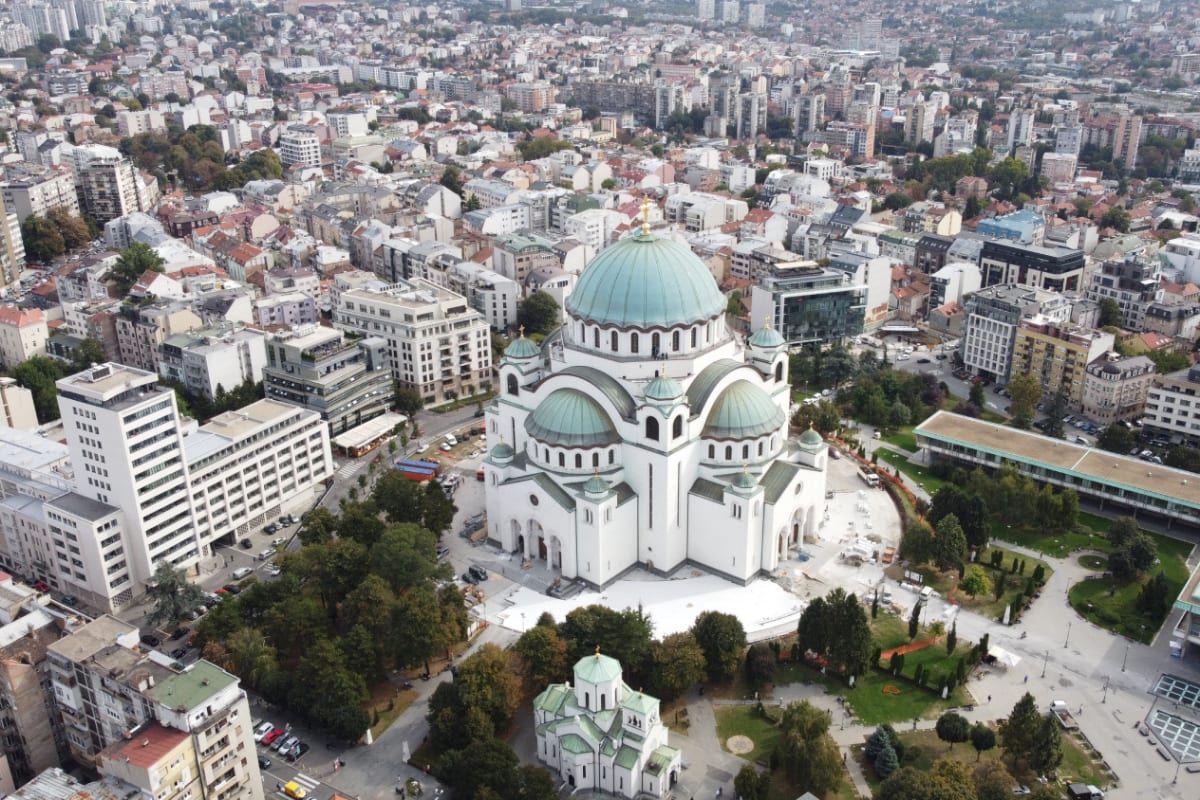
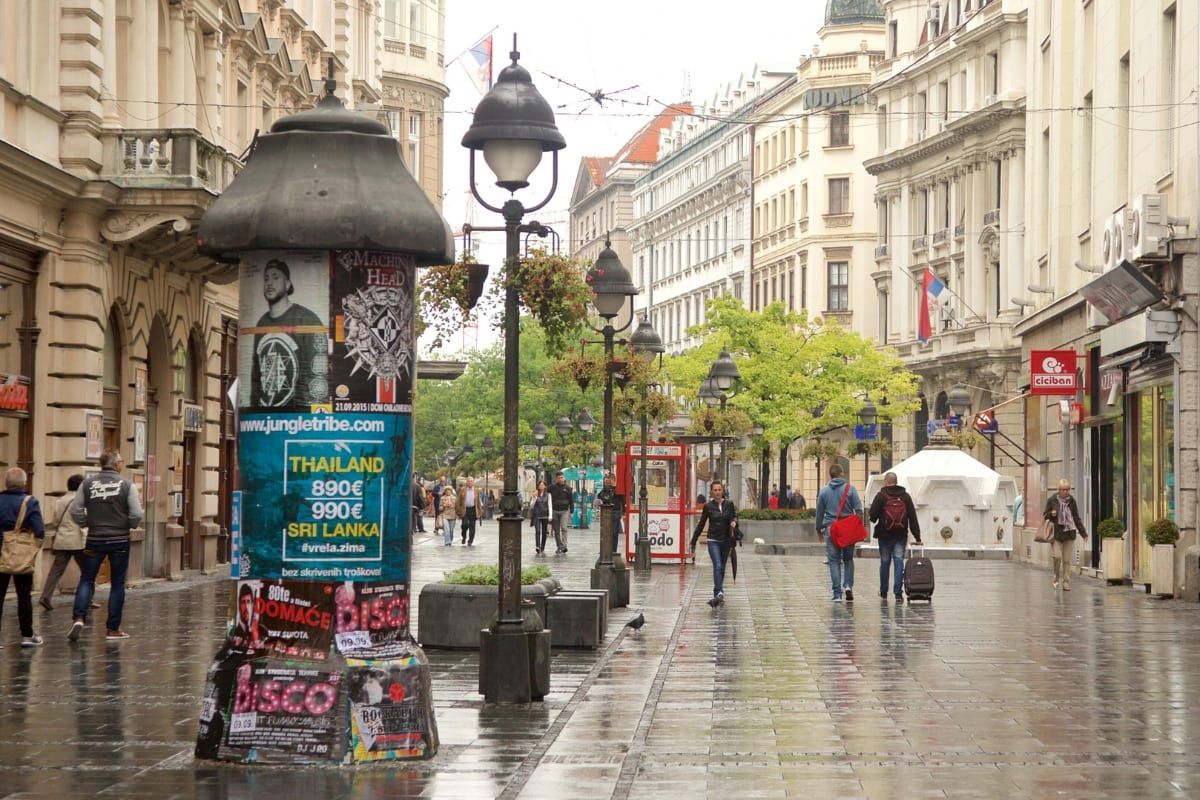
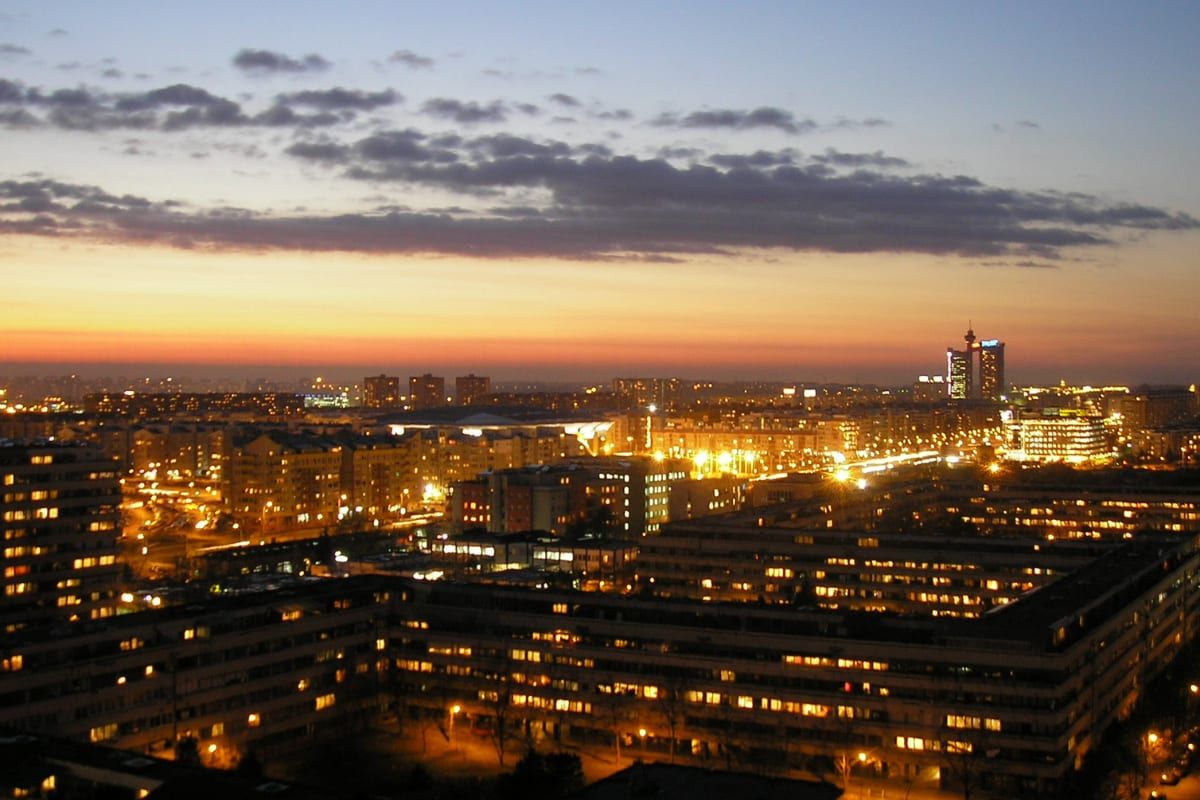
The city splits naturally into a walkable historic core (Stari Grad, Vracar, Dorcol) and a more modern, spread-out business and residential belt across the Sava in Novi Beograd. Most newcomers start in the core for the walkability and community, then some move to Novi Beograd or Zemun once they know the city better and want more space for the same rent.
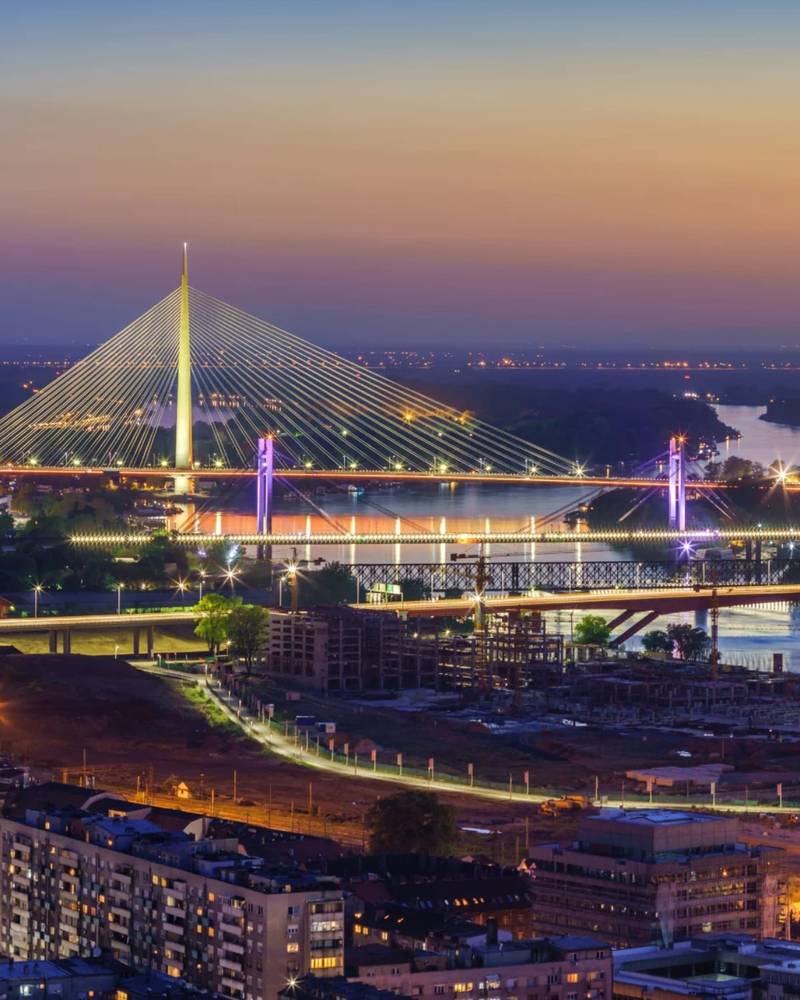
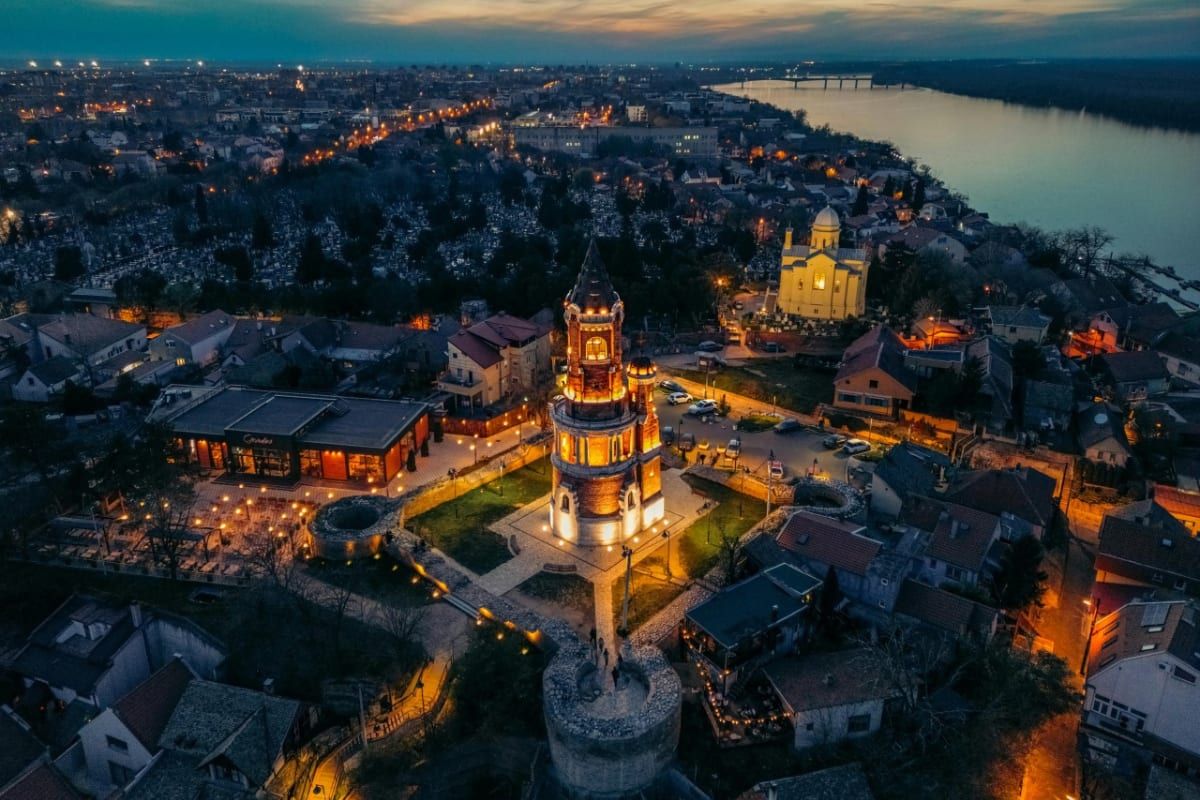
Belgrade sits at the confluence of the Sava and Danube rivers, a geography that shapes daily life more than most guides mention. Kalemegdan fortress park, at the tip of the confluence, functions as the city’s shared front garden - joggers at dawn, families on weekends, and a genuinely spectacular sunset view most evenings.
Getting a foothold before you commit to a neighbourhood
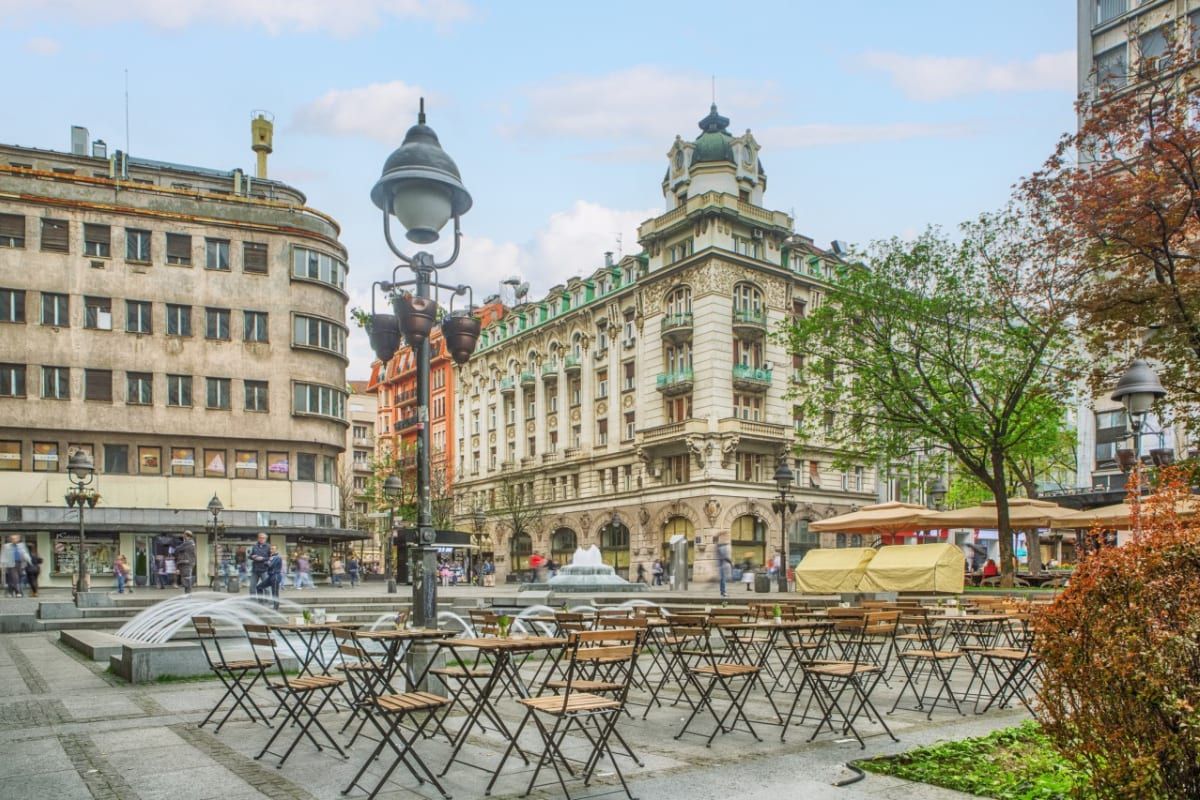
We generally recommend a short-term rental in Vracar or Dorcol for your first month, regardless of where you expect to settle long term. Both areas put you within walking distance of most administrative offices, a dense concentration of cafes for remote work, and enough foot traffic to get a feel for the city before signing a full lease.
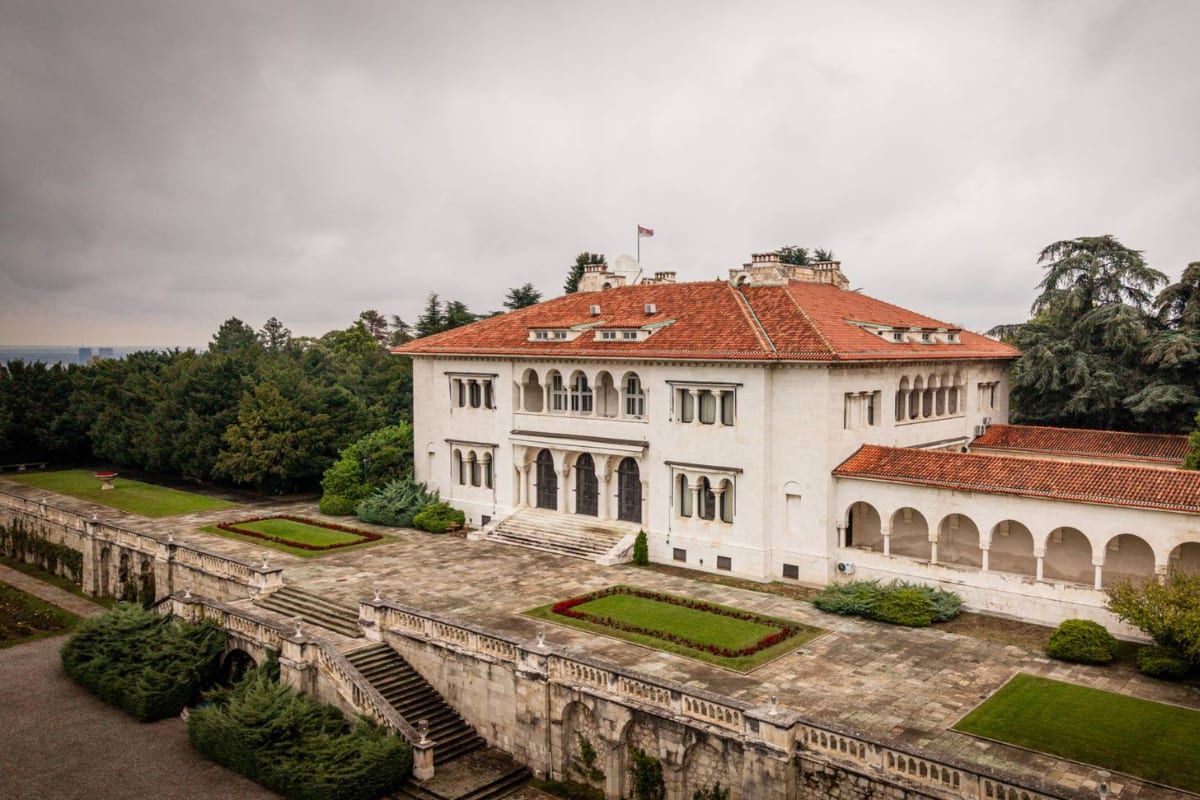
Families and retirees often reconsider after that first month, trading some walkability for the quieter streets and larger flats of Dedinje or outer Novi Beograd. That’s a normal, expected shift, not a sign the first choice was wrong.
Schools, healthcare, and daily logistics
Belgrade’s international school options cluster around Savski Venac and Dedinje, both of which also carry some of the city’s higher rents - a pattern worth planning around if you’re relocating with school-age children. Our schooling and education service covers enrolment timing and required documents in more depth than fits here.
Most expats we work with choose private healthcare over the public system, mainly for English-speaking staff and shorter wait times, though public system access becomes available once residence is established. We walk through the coverage tradeoffs specific to your situation on an eligibility call rather than offering a one-size answer here.
Business districts and coworking
Belgrade’s tech and business scene clusters in a handful of areas: New Belgrade’s Blok 65-70 for corporate HQs and banks, Airport City for a modern business park, and Stari Grad for startups and creative agencies. Coworking spaces are plentiful across the city, with established communities and regular events, making Belgrade one of the more infrastructure-ready cities in the region for remote workers and small teams alike.
What surprises newcomers most
Two things catch most newcomers off guard, in our experience. First, how affordable eating out remains relative to Western Europe, which changes daily routines more than people expect before arriving. Second, how quickly the expat and digital-nomad community becomes a genuine social network rather than a loose collection of strangers, largely thanks to a steady calendar of meetups and language exchanges.
If you’re weighing Belgrade against Novi Sad or a smaller city, our best cities for expats guide walks through the tradeoffs on cost, pace, and job market depth in more detail than a single city page can cover.