Slovenian citizens relocating to Serbia most commonly use the self-employment residence route. For many, the draw is a familiar regional market at a lower cost, plus a corporate tax rate below Slovenia’s. This guide covers documents, timeline, and the questions Slovenian applicants ask.
Book a free 30-min eligibility call to review which route fits your situation as a Slovenian citizen.
Why Slovenian citizens choose Serbia
Slovenia is tracked here as a template-quality country page mapped to the founder and EU-professional profiles as the nearest proxy, since no validated Slovenia-specific persona evidence currently exists - we say so plainly rather than inventing a demand narrative. The clearest verifiable draws are regional familiarity, lower housing costs than Ljubljana, and a corporate rate below Slovenia’s. Many Slovenian movers already know the wider regional market, which changes the calculus from most other EU nationals.
Best residence route for Slovenian citizens
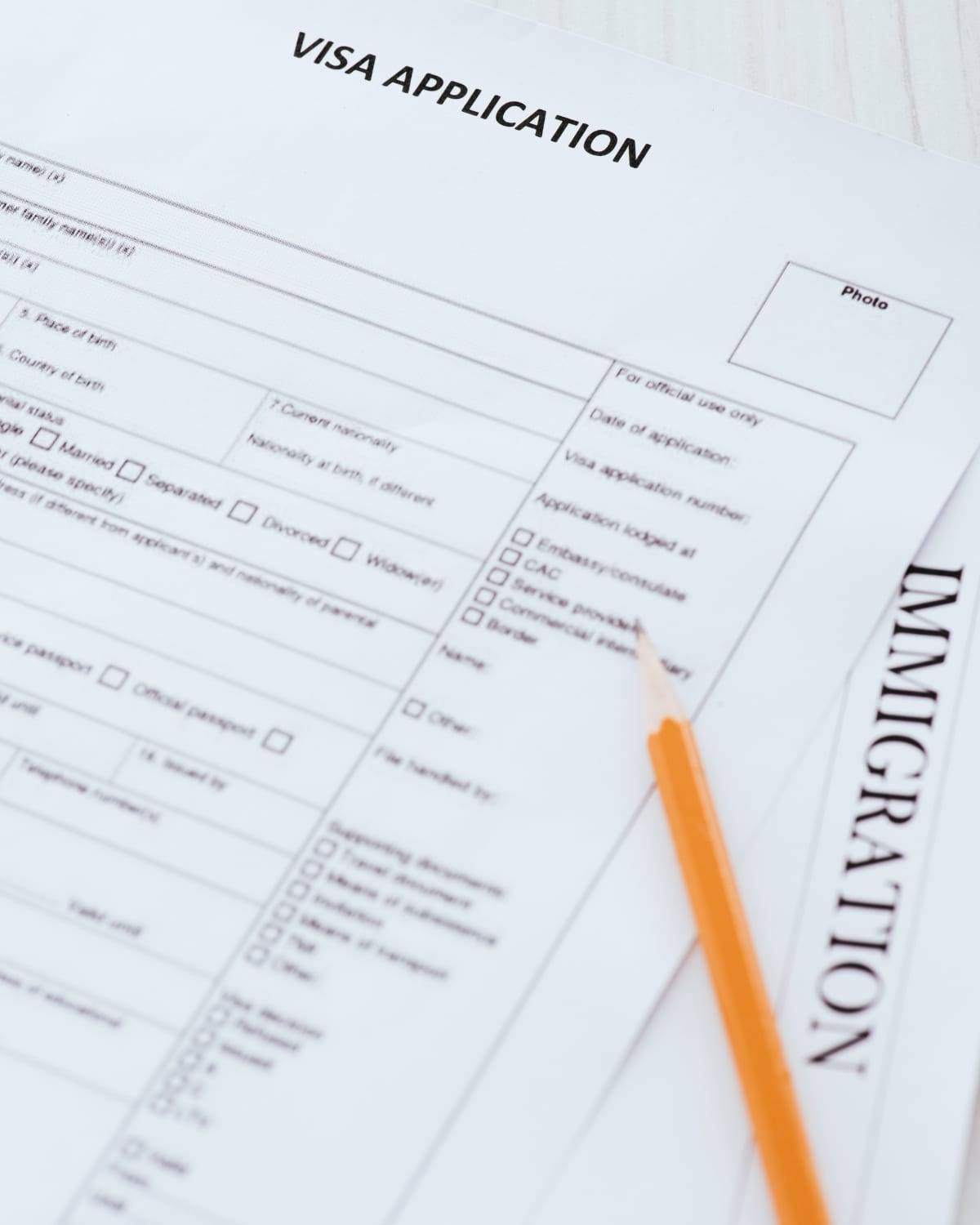
Since Serbia is not an EU member, Slovenian applicants use the same general non-EU residence framework as other non-EU nationals. Most remote workers and founders use the self-employment/entrepreneurship route through a Serbian DOO or documented independent income. Employees of a Serbian entity use the employment-based route, and family members join through family reunification once a primary applicant holds residence.
Timeline for Slovenian applicants
Processing time is typical, not guaranteed, and depends on the municipality, the route, and document completeness. Slovenian-issued documents move through the apostille process predictably in principle, since Slovenia is a Hague Apostille Convention member.
Check your route in 60 seconds
Cost breakdown
Costs vary by route, family size, and lifestyle. Line items that consistently matter for Slovenian applicants:
- Apostille and translation costs for Slovenian-issued documents
- Health insurance valid in Serbia
- Residence permit application and service fees
- Company formation costs, if using the self-employment/DOO route - see our company formation guide
- Housing costs, which run below Ljubljana, particularly outside central Belgrade
Common mistakes Slovenian applicants make
- Assuming EU freedom-of-movement rights carry over. Serbia is not an EU member; Slovenian citizens use the same non-EU residence framework as any other non-EU national.
- Underestimating the cross-border tax question. If you keep interests in both markets, get advice on where profits are taxed and where you’re resident.
- Starting the apostille process too late. Processing volume varies and is a common, avoidable source of delay.
- Applying on the wrong route because self-employment income isn’t clearly documented. A route mismatch weakens an otherwise sound application.
- Assuming regional language overlap removes the translation requirement. Certified Serbian translation is still typically required regardless of the apostille.
Book a free 30-min eligibility call - get a route recommendation specific to your situation as a Slovenian citizen.
Sources: Serbian Ministry of Interior - Foreigners (accessed July 2026); PwC Worldwide Tax Summaries - Serbia (accessed July 2026); Tax Foundation - Corporate Income Tax Rates in Europe 2026 (accessed July 2026); HCCH - Hague Apostille Convention Status Table (accessed July 2026).