Maltese citizens relocating to Serbia most commonly use the self-employment residence route. The honest headline here is about space and cost, not tax: Malta’s effective corporate tax is highly situation-specific, so we treat it as a question for your advisor rather than a selling point. This guide covers documents, timeline, and the questions Maltese applicants ask.
Book a free 30-min eligibility call to review which route fits your situation as a Maltese citizen.
Why Maltese citizens choose Serbia
Malta is tracked here as a template-quality country page mapped to the remote-worker and founder profiles, since no validated Malta-specific persona evidence currently exists - we say so plainly rather than inventing a demand narrative. The honest lead is not tax. Malta’s shareholder-refund system means its effective corporate rate is often well below its 35% headline, so Serbia’s 15% is not automatically cheaper. The real draws are more space, lower housing costs, and a mainland European base after island life.
Best residence route for Maltese citizens
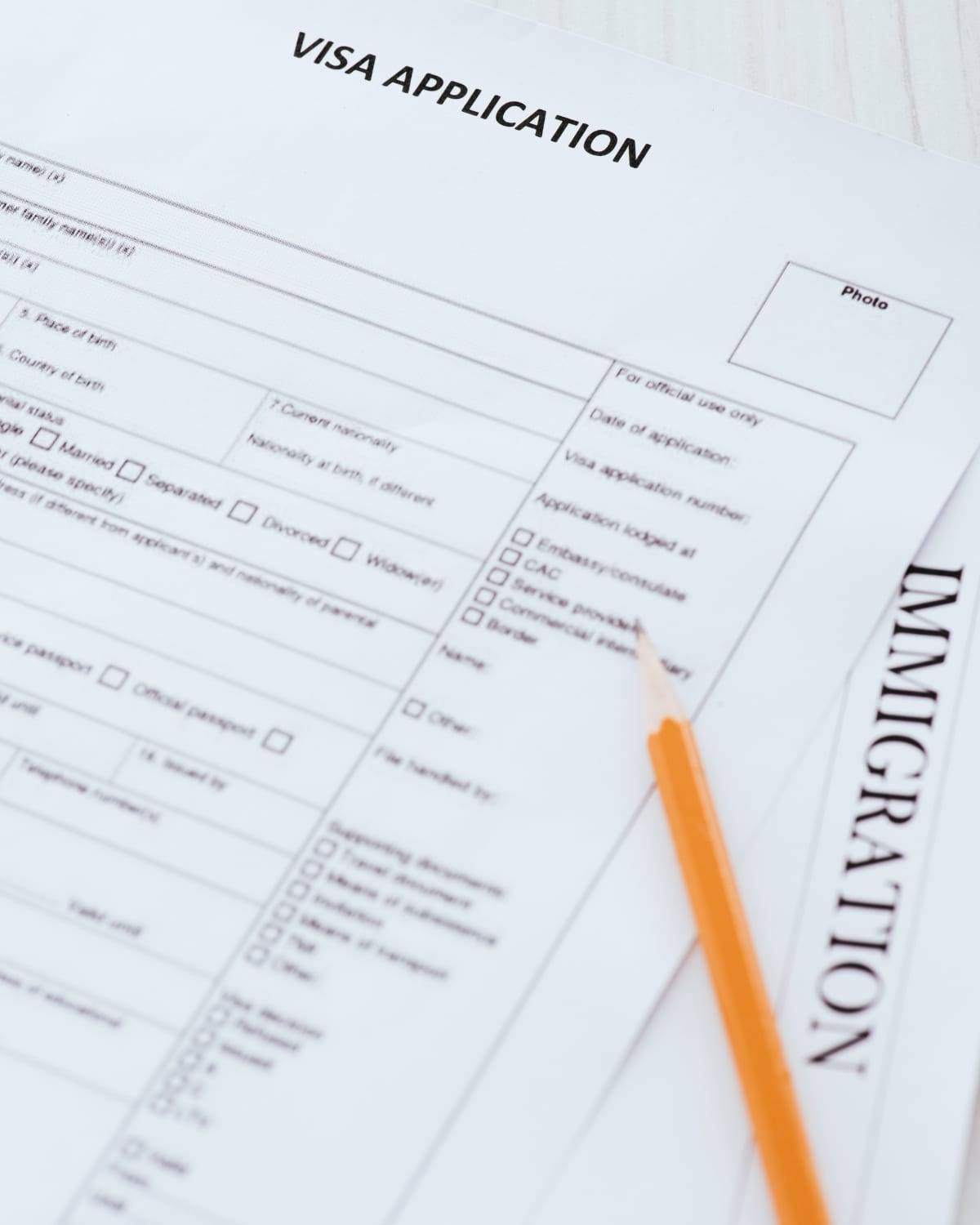
Since Serbia is not an EU member, Maltese applicants use the same general non-EU residence framework as other non-EU nationals. Most remote workers and founders use the self-employment/entrepreneurship route through a Serbian DOO or documented independent income. Employees of a Serbian entity use the employment-based route, and family members join through family reunification once a primary applicant holds residence.
Timeline for Maltese applicants
Processing time is typical, not guaranteed, and depends on the municipality, the route, and document completeness. Maltese-issued documents move through the apostille process predictably in principle, since Malta is a Hague Apostille Convention member.
Check your route in 60 seconds
Cost breakdown
Costs vary by route, family size, and lifestyle. Line items that consistently matter for Maltese applicants:
- Apostille and translation costs for Maltese-issued documents
- Health insurance valid in Serbia
- Residence permit application and service fees
- Company formation costs, if using the self-employment/DOO route - see our company formation guide
- Housing costs, which run below Malta’s, with more space for the money
Common mistakes Maltese applicants make
- Assuming Serbia’s 15% beats Malta on tax. It may not, once Malta’s refund system is accounted for. Model both first.
- Assuming EU freedom-of-movement rights carry over. Serbia is not an EU member; Maltese citizens use the same non-EU residence framework as any other non-EU national.
- Starting the apostille process too late. Processing volume varies and is a common, avoidable source of delay.
- Applying on the wrong route because self-employment income isn’t clearly documented. A route mismatch weakens an otherwise sound application.
- Not confirming translation requirements for Maltese civil documents before an appointment. Certified Serbian translation is typically required regardless of the apostille.
Book a free 30-min eligibility call - get a route recommendation specific to your situation as a Maltese citizen.
Sources: Serbian Ministry of Interior - Foreigners (accessed July 2026); PwC Worldwide Tax Summaries - Serbia (accessed July 2026); Tax Foundation - Corporate Income Tax Rates in Europe 2026 (accessed July 2026); HCCH - Hague Apostille Convention Status Table (accessed July 2026).