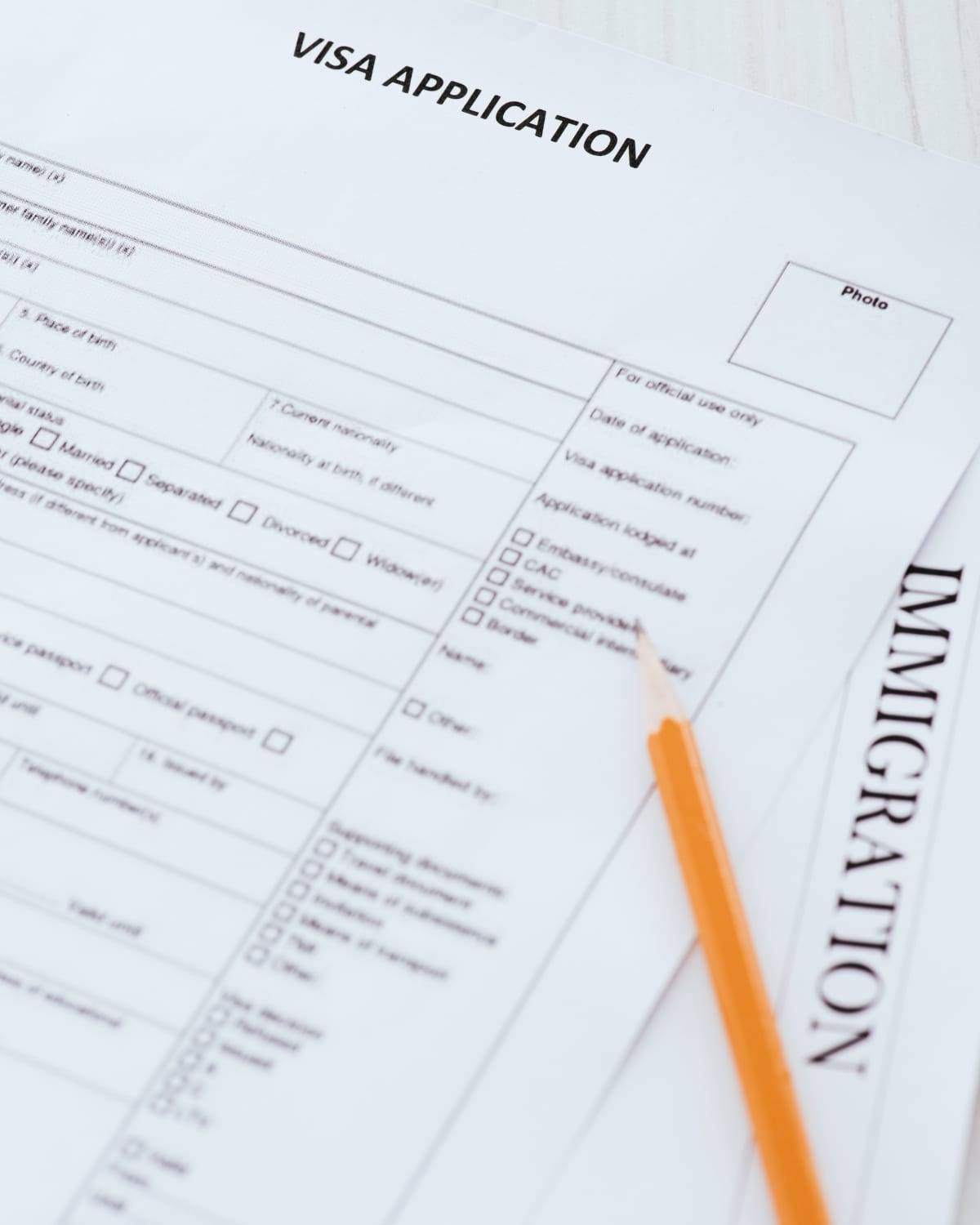
Indian citizens relocating to Serbia most commonly use the self-employment or employment-based residence route. Unlike several other nationalities on this site, most Indian travelers also need to resolve a visa question before their first trip. This guide covers visa rules, documents, timeline, and the practical questions Indian applicants ask.
Book a free 30-min eligibility call to review which route fits your situation as an Indian citizen.
Why Indian citizens choose Serbia
Independent research this session found no dedicated forum or autocomplete signal specific to Indian movers to Serbia - we say so plainly rather than inventing a demand narrative. What we can say is grounded in verifiable facts: a lower flat corporate tax rate than India’s tiered domestic rates, and Serbia’s position as a workable, lower-cost base for reaching EU clients, particularly relevant for IT professionals.
Visa requirement comes first for Indian applicants
Serbia removed general visa-free entry for Indian nationals from 1 January 2023, a change worth understanding before any other planning step. An exception still allows entry without a Serbian visa for holders of a valid Schengen, UK, or US visa or residence permit, for up to 90 days within a six-month period, per Serbia’s Ministry of Foreign Affairs. If neither applies to you, apply for a Serbian visa through your nearest Serbian embassy or consulate before booking travel.
Best residence route for Indian citizens
Since Serbia is not an EU member and India has no special bilateral residence arrangement with Serbia, Indian applicants use the same general non-EU residence framework as other non-EU nationals. Many Indian IT professionals and freelancers use the self-employment/entrepreneurship route through a Serbian DOO or documented independent income. Employees of a Serbian entity use the employment-based route instead, and family members join through family reunification once a primary applicant holds residence.
Timeline for Indian applicants
Processing time is typical, not guaranteed, and depends on the municipality, the route, and document completeness. Indian-issued documents move through the apostille process since India is a Hague Apostille Convention member, issued through the Ministry of External Affairs. Regional office volume can add unpredictability depending on your city.
Check your route in 60 seconds
Cost breakdown
Costs vary by route, family size, and lifestyle. Line items that consistently matter for Indian applicants:
- Serbian visa application costs, if the Schengen/UK/US visa exception doesn’t apply to you
- Apostille and translation costs for Indian-issued documents
- Health insurance valid in Serbia
- Residence permit application and service fees
- Company formation costs, if using the self-employment/DOO route - see our company formation guide
Common mistakes Indian applicants make
- Assuming visa-free entry still applies. Serbia removed this for Indian nationals from 1 January 2023; confirm whether the Schengen/UK/US visa exception applies to you, or apply for a Serbian visa first.
- Booking travel before confirming the visa question. This is the single most common, most avoidable mistake for Indian applicants specifically, since it differs from several other nationalities covered on this site.
- Comparing India’s headline 25-30% rate to Serbia’s flat 15% without checking their own concessional-regime eligibility. Some Indian companies already qualify for a lower effective rate.
- Applying on the wrong route because freelance income isn’t clearly documented as ongoing. A route mismatch weakens an otherwise sound application.
- Not confirming translation requirements for Indian civil documents before an appointment. Certified Serbian translation is typically required regardless of the apostille.
Book a free 30-min eligibility call - get a route recommendation specific to your situation as an Indian citizen.
Sources: Serbian Ministry of Foreign Affairs - Visa Requirements (accessed July 2026); Serbian Ministry of Interior - Foreigners (accessed July 2026); PwC Worldwide Tax Summaries - Serbia (accessed July 2026); PwC Worldwide Tax Summaries - India (accessed July 2026); HCCH - Hague Apostille Convention Status Table (accessed July 2026).