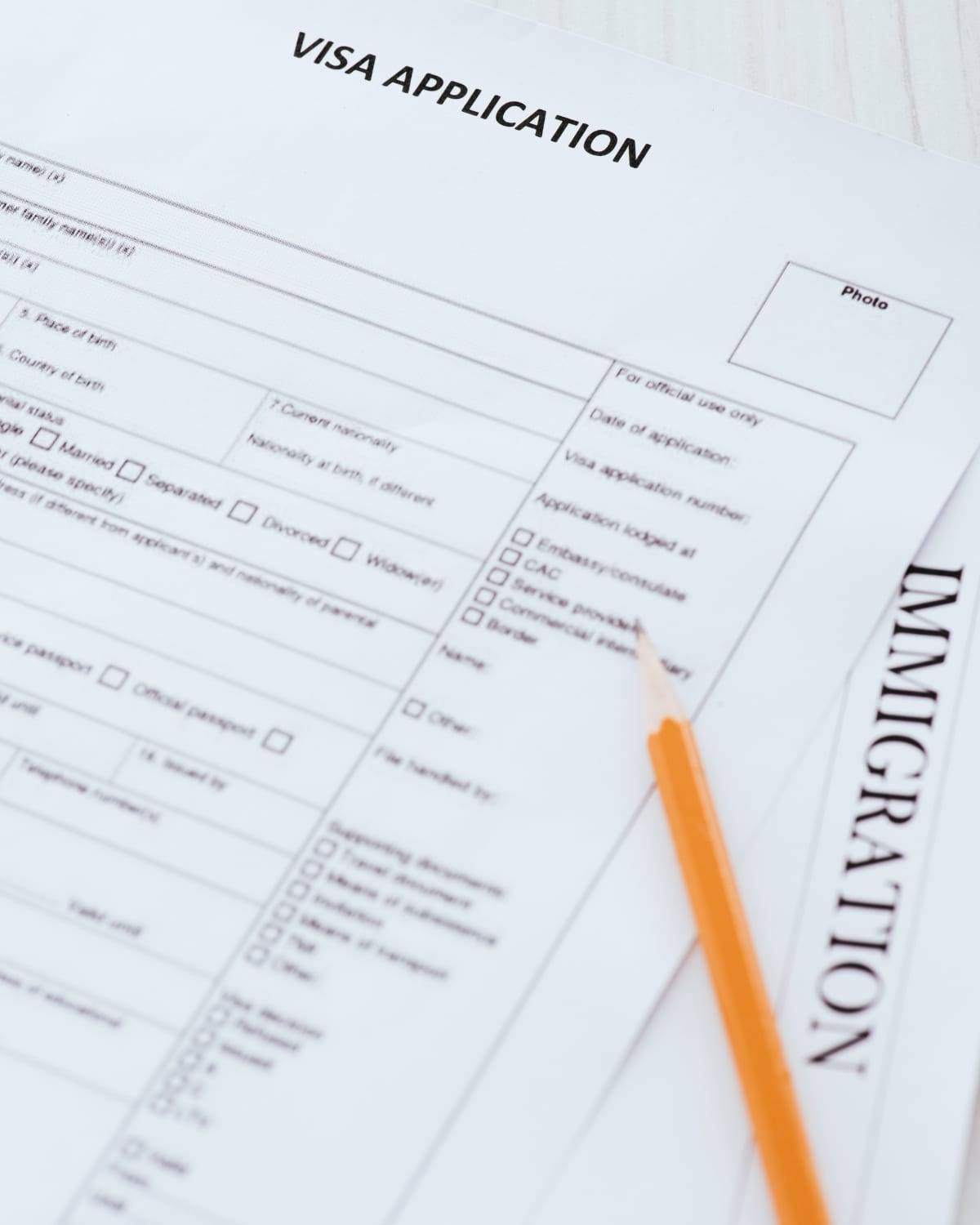
Belarusian citizens relocating to Serbia typically use the self-employment or employment residence route, and the process closely mirrors the one used by the broader post-2022 relocation wave from the region. This guide covers documents, apostille rules, and banking directly.
Book a free 30-min eligibility call to review your specific route and document requirements.
Why Belarusian citizens choose Serbia
Independent journalism covering this period (Euronews, Meduza, New Statesman) generally reports on Russian and Belarusian movers together as part of the same regional relocation trend, though the two nationalities’ underlying circumstances and legal considerations at home are distinct, and we don’t conflate them here beyond noting the shared practical process both groups use in Serbia.
Best residence route for Belarusian citizens
Belarus is not an EU member, so Belarusian applicants use the same general non-EU residence framework as Russian, US, UK, or Canadian citizens.
There is no dedicated route specific to Belarusian citizens or to the post-2022 relocation wave - the general non-EU framework applies, matched to your actual income source and family situation.
Timeline for Belarusian applicants
Processing time is typical, not guaranteed, and depends on the municipality, the route, and document completeness on submission. The unified permit for employment-based applications carries a standard government-stated processing window of roughly 30 to 60 days once submitted, per Serbian legal-practice sources; confirm the current figure for your route during an eligibility call.
Check your route in 60 seconds
Cost breakdown
Costs vary by route, family size, and document-preparation needs. Line items that consistently matter:
- Apostille and translation costs for Belarusian-issued documents
- Health insurance valid in Serbia
- Residence permit application and service fees
- Company formation costs, if using the self-employment/DOO route - see our company formation guide
- Housing costs, which vary meaningfully between Belgrade and secondary cities
Common mistakes Belarusian applicants make
- Not confirming apostille processing times directly with the Belarusian Ministry of Foreign Affairs before setting a moving date. Assumptions based on pre-2022 timelines can be inaccurate.
- Not confirming which Serbian banks currently accept Belarusian-issued cards or process transfers before arrival. This is a genuine practical friction point, and outdated forum information is a common source of confusion.
- Applying on the wrong route because income isn’t clearly documented as self-employment. A route mismatch weakens an otherwise sound application.
- Underestimating how document translation and apostille lead time affects the overall timeline. Starting document preparation only after arriving in Serbia is a common, avoidable delay.
- Assuming the process is identical in every detail to the Russian relocation wave. The mechanics are similar, but confirming your specific situation against current requirements - rather than assuming based on someone else’s experience - avoids preventable mistakes.
Book a free 30-min eligibility call - get a clear, practical review of your documentation and route.
Sources: Serbian Ministry of Interior - Foreigners (accessed July 2026); PwC Worldwide Tax Summaries - Serbia (accessed July 2026); HCCH - Hague Apostille Convention Status Table (accessed July 2026); Euronews -“Relocating to Serbia: Russians and Ukrainians have been moving in since war broke out” (accessed July 2026).