Austrian citizens relocating to Serbia most commonly use the self-employment residence route, drawn by lower costs, real geographic proximity, and a corporate tax rate below Austria’s. This guide covers documents, timeline, and the practical questions Austrian applicants ask.
Book a free 30-min eligibility call to review which route fits your situation as an Austrian citizen.
Why Austrian citizens choose Serbia
We’ll be straight about the evidence base: there is little Austria-specific first-person testimony on relocating to Serbia, and we won’t invent a demand narrative to fill that gap. What we can say with confidence is grounded in geography and cost: Belgrade sits genuinely close to Vienna, and Serbia’s corporate tax rate sits meaningfully below Austria’s.
Best residence route for Austrian citizens
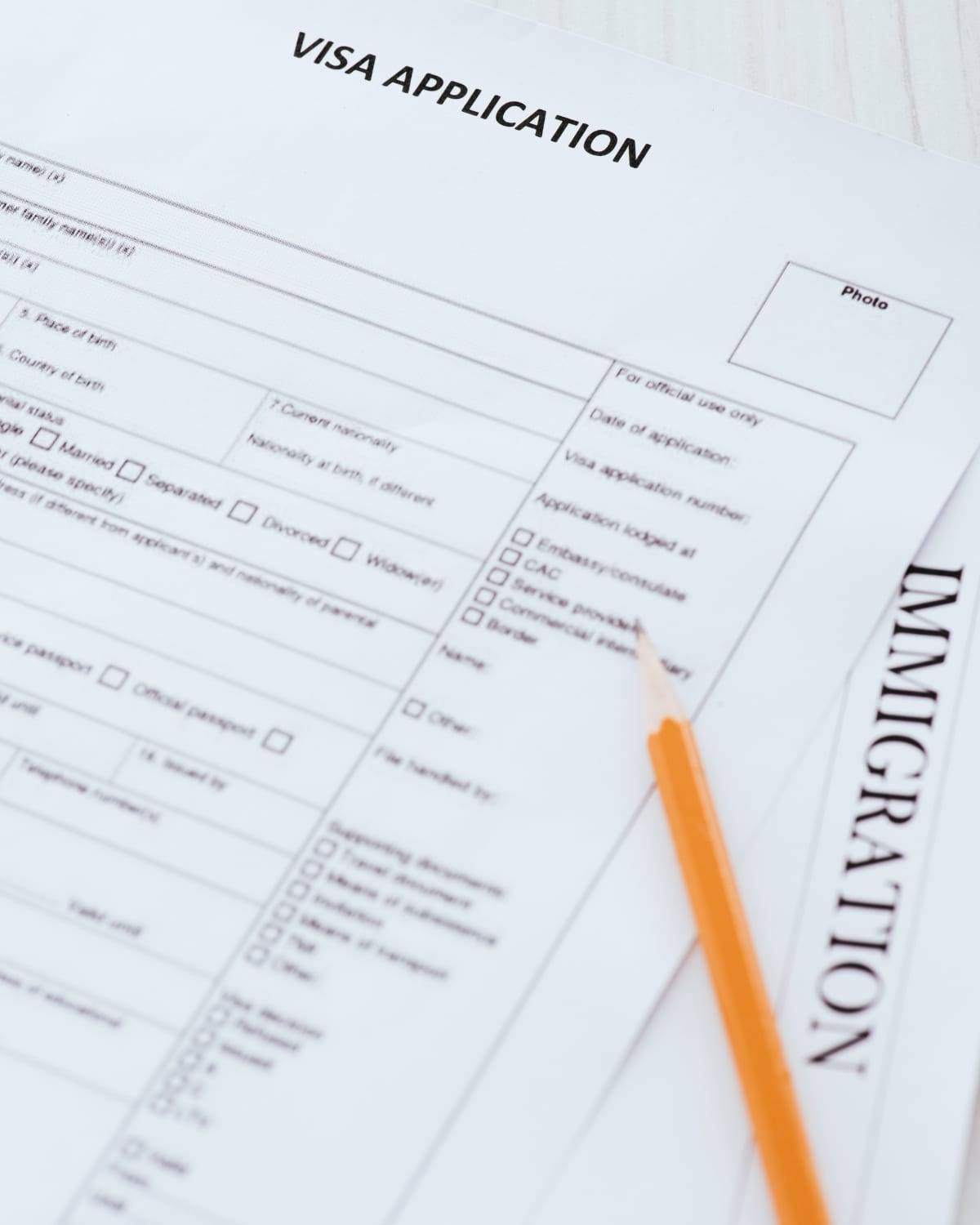
Since Serbia is not an EU member, Austrian applicants use the same general non-EU residence framework as other non-EU nationals. Most remote workers and freelancers use the self-employment/entrepreneurship route through a Serbian DOO or documented independent income. Employees of a Serbian entity use the employment-based route, and family members join through family reunification once a primary applicant holds residence.
Timeline for Austrian applicants
Processing time is typical, not guaranteed, and depends on the municipality, the route, and document completeness. Austrian-issued documents move through the apostille process in principle predictably, since Austria is a Hague Apostille Convention member, though regional variation in Austrian district-level processing can add unpredictability depending on where your documents originate.
Check your route in 60 seconds
Cost breakdown
Costs vary by route, family size, and lifestyle. Line items that consistently matter for Austrian applicants:
- Apostille and translation costs for Austrian-issued documents
- Health insurance valid in Serbia
- Residence permit application and service fees
- Company formation costs, if using the self-employment/DOO route - see our company formation guide
- Housing costs, which run meaningfully below Vienna or Salzburg, particularly outside central Belgrade
Common mistakes Austrian applicants make
- Assuming EU freedom-of-movement rights carry over. Serbia is not an EU member; Austrian citizens use the same non-EU residence framework as US or Canadian citizens.
- Underestimating Austrian departure-tax questions. Departing Austria while establishing tax residence elsewhere involves considerations specific to Austrian tax law that a general relocation guide cannot resolve - confirm with a qualified advisor before you move.
- Starting the apostille process too late. District-level (Bezirkshauptmannschaft) processing times vary by province and are a common, avoidable source of delay.
- Applying on the wrong route because self-employment income isn’t clearly documented. Ambiguously structured freelance income can weaken a self-employment residence application.
- Not confirming translation requirements for Austrian civil documents before an appointment. Certified Serbian translation is typically required regardless of the apostille.
Book a free 30-min eligibility call - get a route recommendation specific to your situation as an Austrian citizen.
Sources: Serbian Ministry of Interior - Foreigners (accessed July 2026); PwC Worldwide Tax Summaries - Serbia (accessed July 2026); PwC Worldwide Tax Summaries - Austria (accessed July 2026); HCCH - Hague Apostille Convention Status Table (accessed July 2026).