Relocate to Serbia
Living in Subotica

A small border city with Art Nouveau architecture and a genuinely quiet pace.

Subotica sits minutes from the Hungarian border, offering a low-cost, low-key alternative to Serbia's bigger cities.

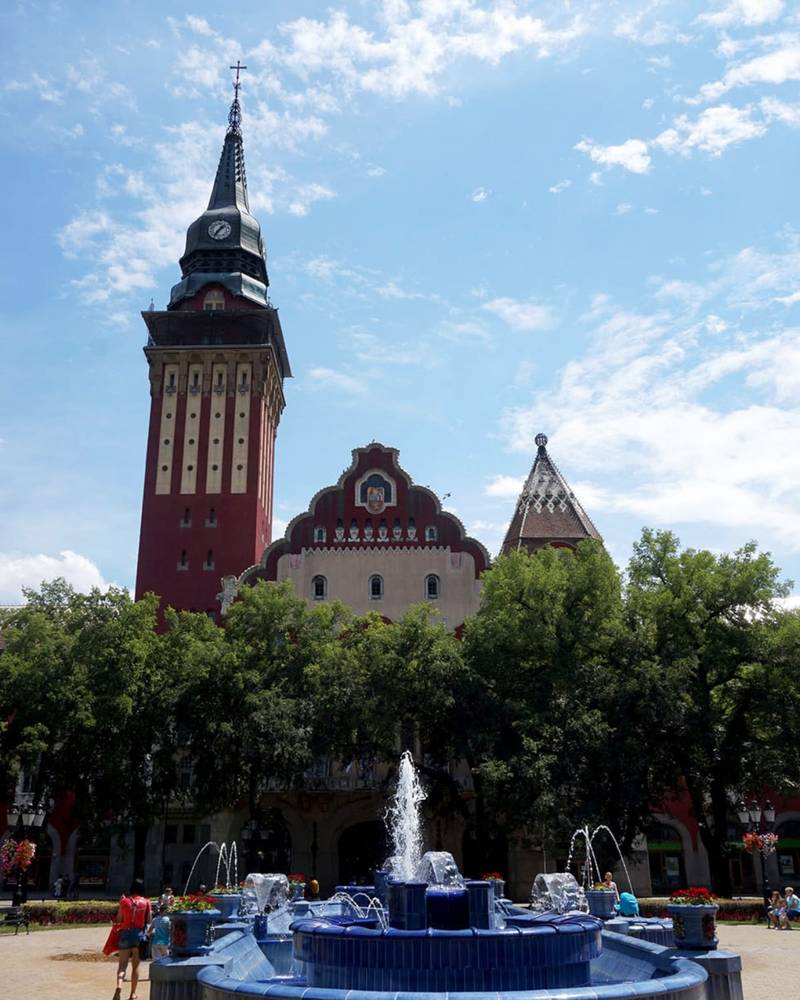
The Art Nouveau City Hall tower above the blue-tiled fountain on the main square, Subotica, Serbia
Subotica City Hall One of Europe's finest Art Nouveau town halls.

Subotica at a glance

The quick basics for orientation. We share current cost, rent, and logistics specifics on your call.

Serbian & Hungarian Common languages
English Spoken by younger residents
Dinar (RSD) Local currency
Belgrade (BEG) Nearest airport
CET (UTC+1) Central European Time
Where to live

Best neighbourhoods for expats.

Subotica is small enough that most residents don't think in terms of distinct neighbourhoods the way Belgrade residents do.

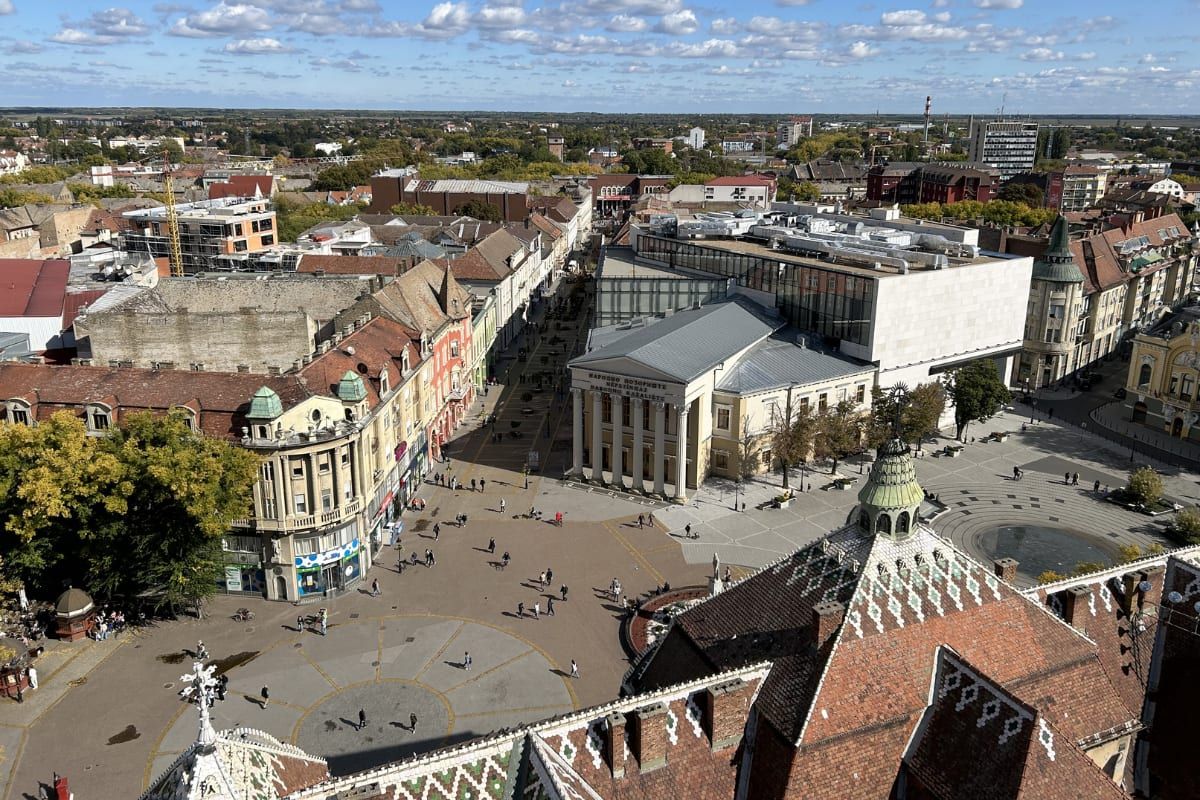
Aerial view over Subotica's main square and pedestrian zone, the National Theatre and ornate City Hall rooftops in the foreground. City centre Walkable, anchored by the Art Nouveau City Hall and main square. The practical choice for most newcomers.
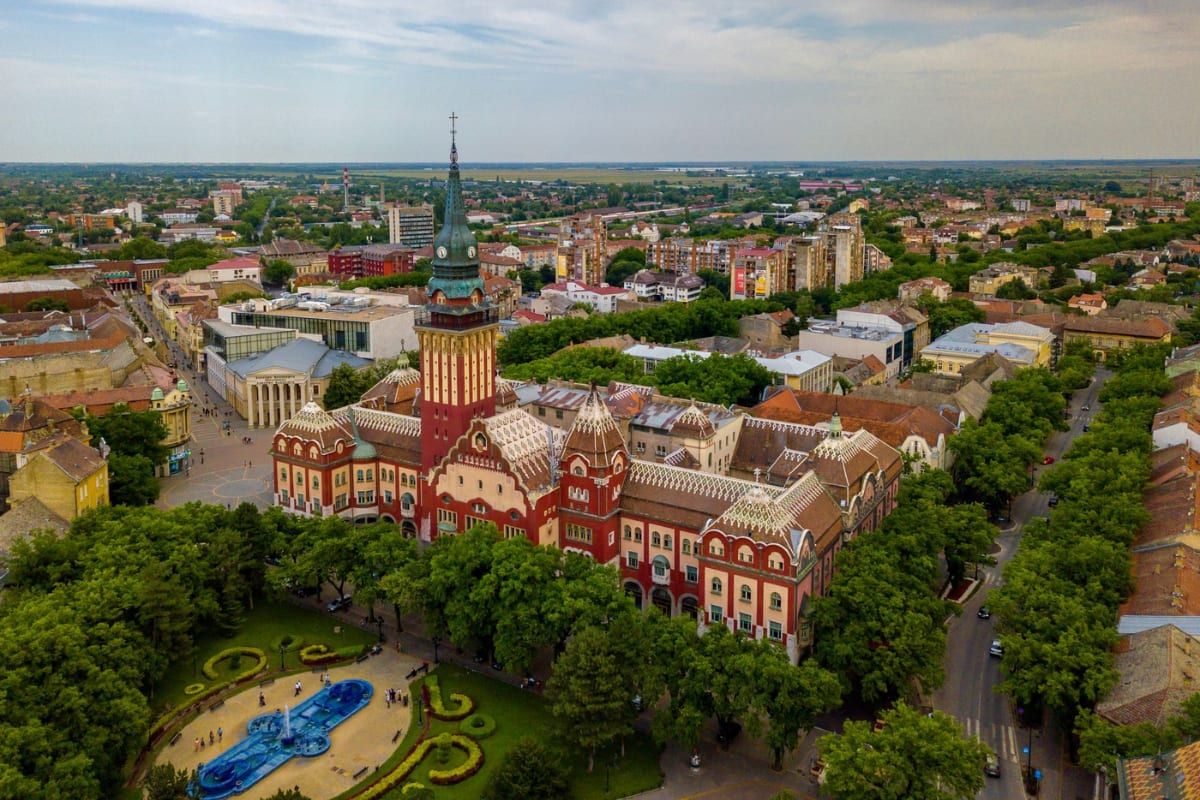
Aerial view of Subotica's Art Nouveau City Hall and its fountain garden, with the town spreading out behind. Outer residential streets Quiet, house-heavy streets a short walk or bike ride from the centre, popular for more space at lower cost.
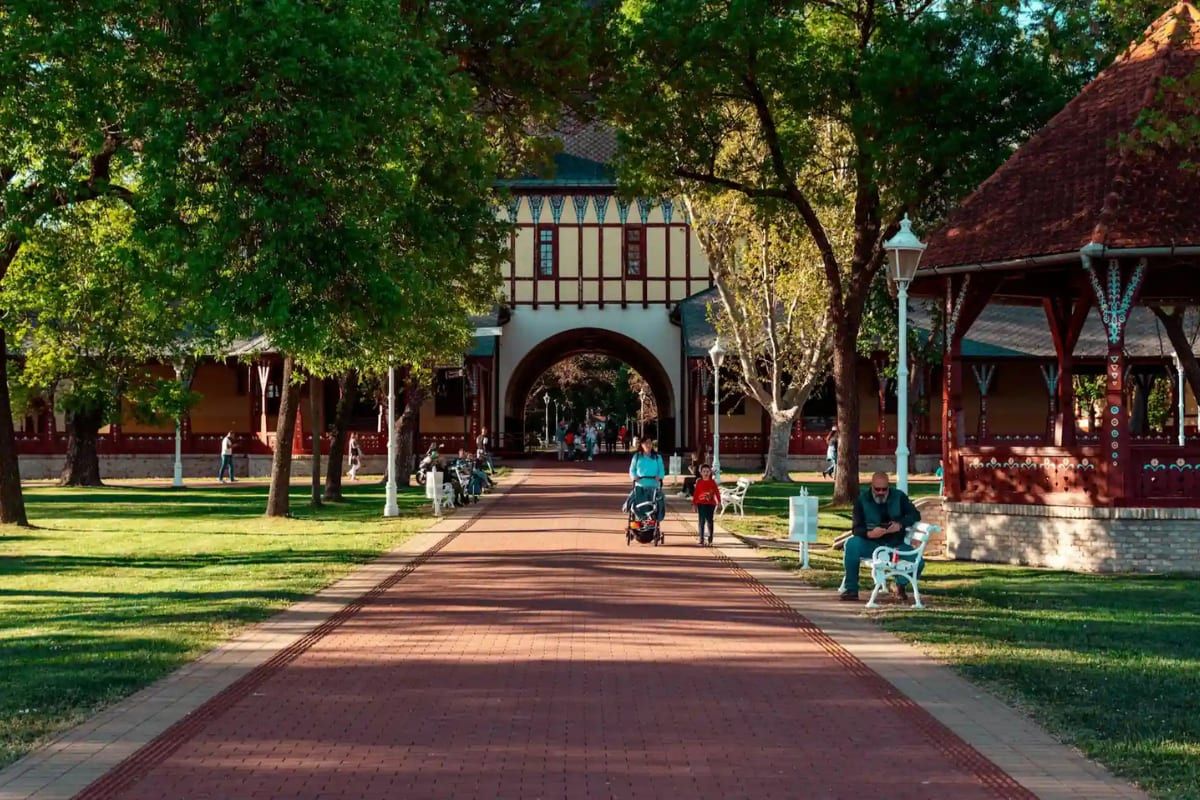
The Art Nouveau Grand Terrace and music pavilion in the lakeside park at Palić near Subotica, along a tree-lined promenade. Palić A lakeside resort settlement about 8 km east, with a spa, lakeshore park, and Art Nouveau pavilions. A greener, slower option within easy reach of the city.
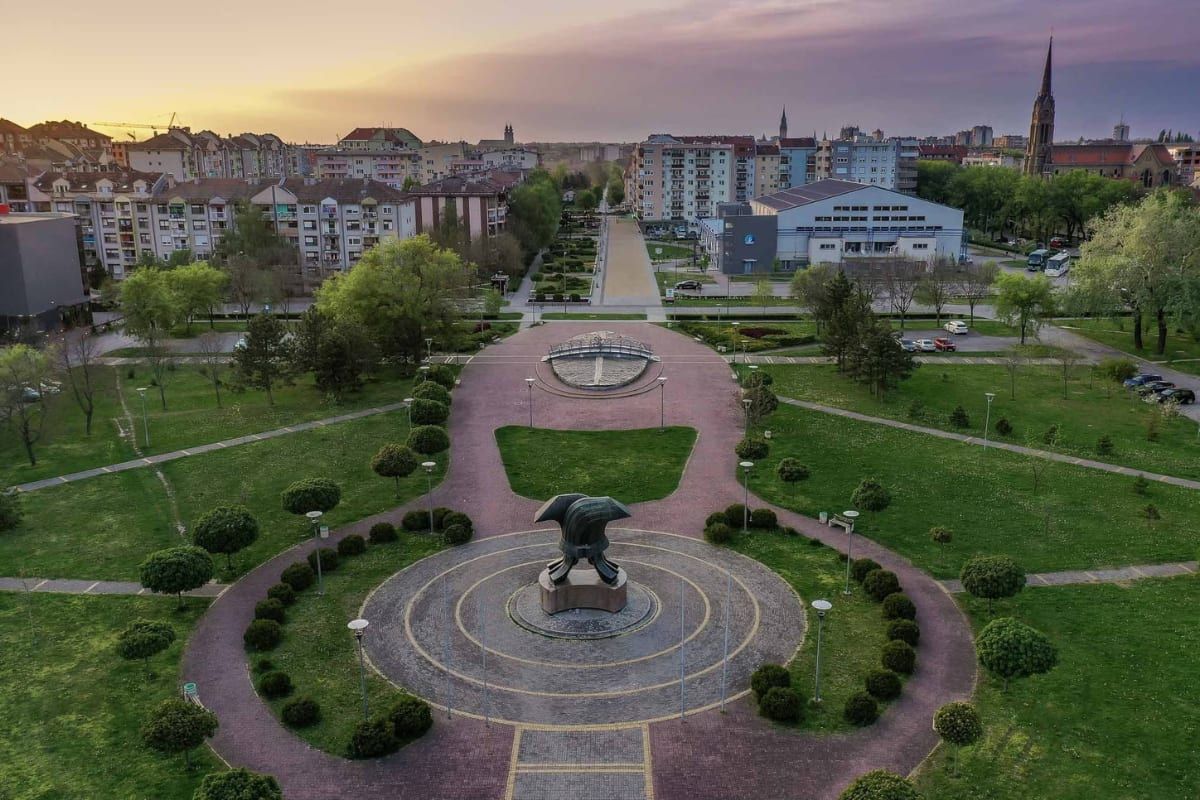
A landscaped park with a modern sculpture ringed by apartment blocks at sunset in Subotica's Prozivka quarter. Prozivka A newer quarter of modern apartment blocks and amenities, popular with families and younger buyers wanting contemporary flats.
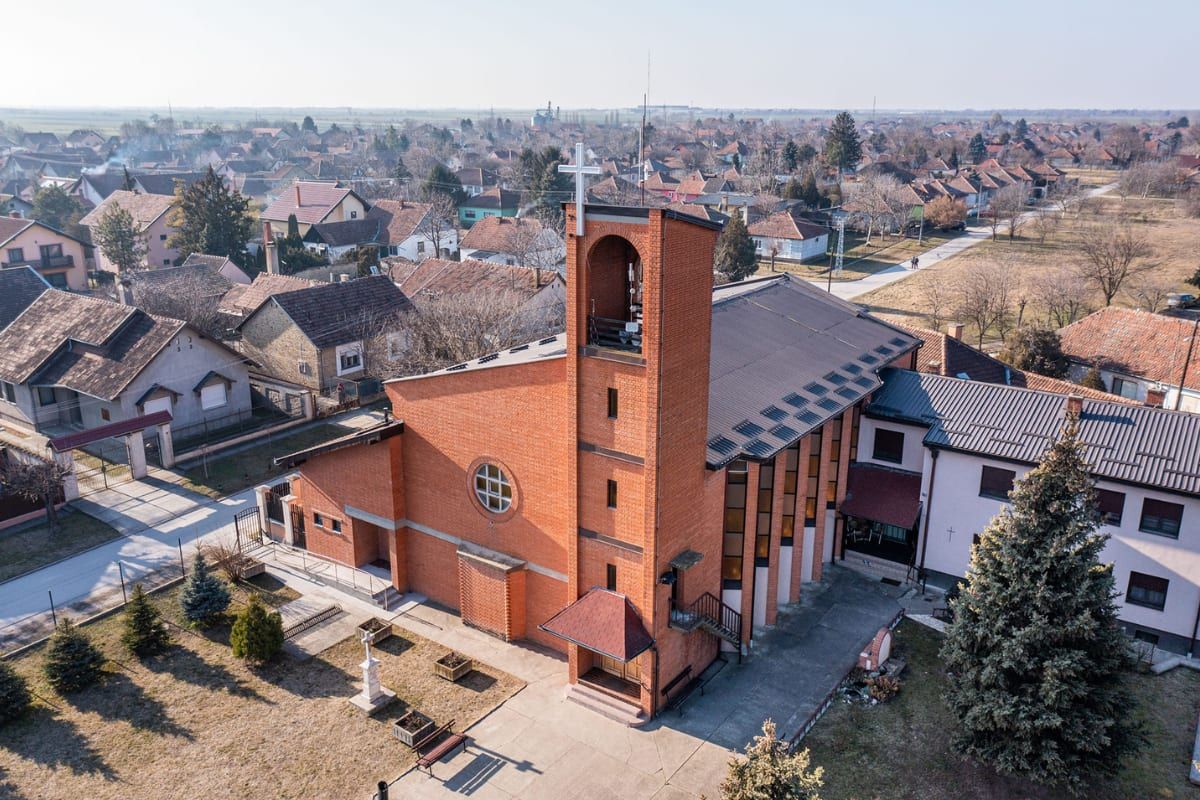
A red-brick modern church rising above low family houses in the flat residential district of Aleksandrovo, Subotica. Aleksandrovo An established residential district a short ride from the centre, mixing houses and low blocks with everyday shops and schools.
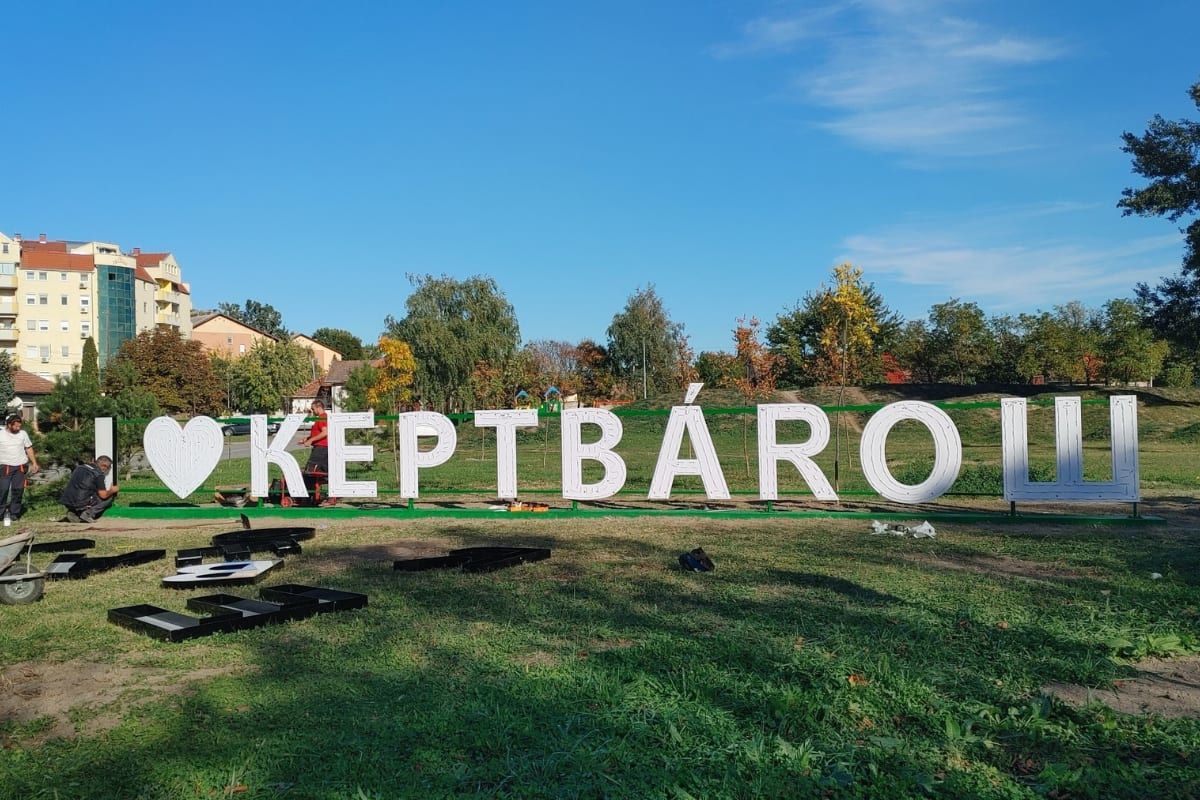
Large white 'Kertváros' letters standing in a green park in front of apartment blocks in Subotica's Ker district. Kertvaroš (Ker) A traditional, low-rise quarter of older houses and gardens, quiet and close to the centre.
Budgeting

Cost of living breakdown.

Subotica is among the more affordable options in Serbia, on par with Niš. Indicative monthly ranges anchored to Numbeo community data (accessed July 2026); real costs vary by flat, heating season, and lifestyle, so treat these as a feel, not a quote.

Item Cost (EUR / month)
One-bedroom apartment (centre)€300-450
One-bedroom apartment (outside centre)€200-320
Utilities (electricity, heating, water)€90-170
Internet (fibre, unlimited)€25-40
Groceries (monthly, one person)€65-105
Monthly public transport pass€25-35

More about Subotica

Subotica is one of Serbia’s smaller relocation destinations, and one of its most visually distinct. The city centre’s Art Nouveau architecture, particularly the ornate City Hall, sets it apart from anywhere else in the country.

A border city with its own character

Subotica sits close to the Hungary-Serbia border, and that geography shapes daily life meaningfully. A significant share of the local population is ethnically Hungarian, and Hungarian is commonly spoken alongside Serbian across the city, in shops, signage, and casual conversation.

This gives Subotica a genuinely different feel from Belgrade or Novi Sad - smaller, quieter, and shaped by a cross-border cultural identity rather than the capital’s more cosmopolitan mix.

Getting settled and the cost of living

Subotica is small enough that most people simply choose between the walkable centre, anchored by the Art Nouveau City Hall and main square, and the quieter residential streets and outer areas where houses replace apartments and rents fall further. Named pockets like Prozivka, with its newer blocks, and older quarters such as Kertvaroš give a bit more choice, but nothing about the city requires the neighbourhood-by-neighbourhood strategising a Belgrade move does.

On cost, Subotica sits among the most affordable options in Serbia, on par with Niš. Long-term rents, groceries, and utilities all run well below Belgrade’s, and for a retiree or remote worker on a fixed budget that gap is often the deciding factor. We share current, specific ranges for your situation on the call rather than relying on headline averages.

Daily life and cross-border connections

Everyday life in Subotica is walkable and unhurried; the compact centre covers most daily needs on foot or by bike, and a car mainly earns its keep for trips further out or across the border. The city sits on the main route toward the Hungarian frontier and Szeged, so quick cross-border shopping or day trips are a normal part of local life, and Budapest is within comfortable reach for a weekend.

That border position also shapes the local economy, which leans on logistics, manufacturing, agribusiness, and free-zone trade rather than the office and tech work concentrated in Belgrade and Novi Sad. Most remote workers here bring their own income rather than looking for it locally.

What to expect honestly

Subotica is a realistic option for retirees or remote workers who prioritise a slow pace, low cost, and small-city quiet over a large international community or deep job market. It has neither Belgrade’s business infrastructure nor Novi Sad’s university-driven international student presence.

Healthcare options are more limited than in Serbia’s larger cities. The General Hospital Subotica serves as the regional public option, but private specialist care should be confirmed directly rather than assumed available.

Who tends to choose Subotica

We see this city chosen most often by retirees with a specific interest in the region’s character, sometimes tied to family or cultural connections to the Hungarian border area, and by those explicitly prioritising cost and quiet over any other factor. It’s a narrower fit than Belgrade or Novi Sad, and we’re upfront about that on every eligibility call.

If Subotica’s pace appeals but you want to compare it against other smaller Serbian cities first, our best cities for expats guide sets it alongside Niš and Zlatibor.

International schools

Subotica's cross-border character shapes its schooling options. We confirm current enrolment routes for your children's ages on the call.

Hungarian and bilingual options

The city's Hungarian-speaking community supports Hungarian-language and bilingual schooling alongside Serbian; some families near the border also look at schools across in Hungary.

Public and private schools

Local public schools and a few private options cover most needs; dedicated international-curriculum schools are limited.

Healthcare

Subotica has a regional public hospital and a limited private clinic presence.

General Hospital Subotica

Serves the city and surrounding region, accessible once residence and local health insurance are established.

Private care

More limited than in Belgrade or Novi Sad - confirm specific specialist availability before relying on it.

Getting around

Subotica is small and flat, so the centre is easily covered on foot or by bike.

Walkable and cyclable

The compact centre around the City Hall and main square needs no car for daily errands.

City and regional buses

Local buses connect the outer streets and nearby settlements, with inexpensive fares.

Rail and road to the border

Subotica sits on the main line toward the Hungarian border and Szeged, with regular rail and road links south to Belgrade.

Business districts and coworking

Subotica's economy is shaped by its position near the Hungarian border and the EU.

A cross-border position

Proximity to the border and the EU makes logistics, manufacturing, and agribusiness prominent in and around the city.

Free zone and industry

Subotica has an established industrial base and free-zone activity that draws cross-border trade and manufacturing.

Smaller remote-work scene

Coworking and remote-work infrastructure is more limited than in Belgrade or Novi Sad; most remote workers set up from home.

Community and culture

Subotica has a distinct multicultural character shaped by its position near the Hungarian border.

A Hungarian-Serbian multicultural mix

A significant share of the local population is ethnically Hungarian, and Hungarian is commonly spoken alongside Serbian in daily life.

Architecture and pace

The city centre's Art Nouveau buildings, including the well-known City Hall, give Subotica a distinct visual character rarely found elsewhere in Serbia.

Good to know

Frequently asked questions

Yes, Subotica sits only a short distance from the Hungary-Serbia border crossing, which shapes both its cultural character and its relevance for anyone with ties to or interest in that region.

Yes, alongside Serbian. Subotica has a significant ethnic Hungarian population, and Hungarian is commonly used in daily life, on signage, and in some local services.

It can be, particularly for those seeking a quiet, low-cost, small-city pace over Belgrade's size and energy. Confirm healthcare access specific to your needs before committing, since specialist options are more limited than in larger cities.

Subotica is known for its Art Nouveau architecture, most notably its City Hall, and for its distinct multicultural character shaped by the nearby Hungarian border.

Subotica sits a few hours from Belgrade by car or train, making it a realistic day trip but not a casual commute for regular access to the capital's services.

Subotica has no major international airport of its own. Most residents use Belgrade's Nikola Tesla Airport, or in some cases nearby airports across the Hungarian border, depending on the destination.

Ready to make Subotica your base?

From apartment hunting to residence paperwork, we'll help you settle into Subotica smoothly - one Belgrade team, end to end.

Start your Subotica move
Chat with us