Retiring to Serbia: What Actually Matters
Retirees researching Serbia tend to want a checklist, not a lifestyle pitch. That instinct is a good one. The real risks in a retirement move are bureaucratic and financial, not “will I like the food.”
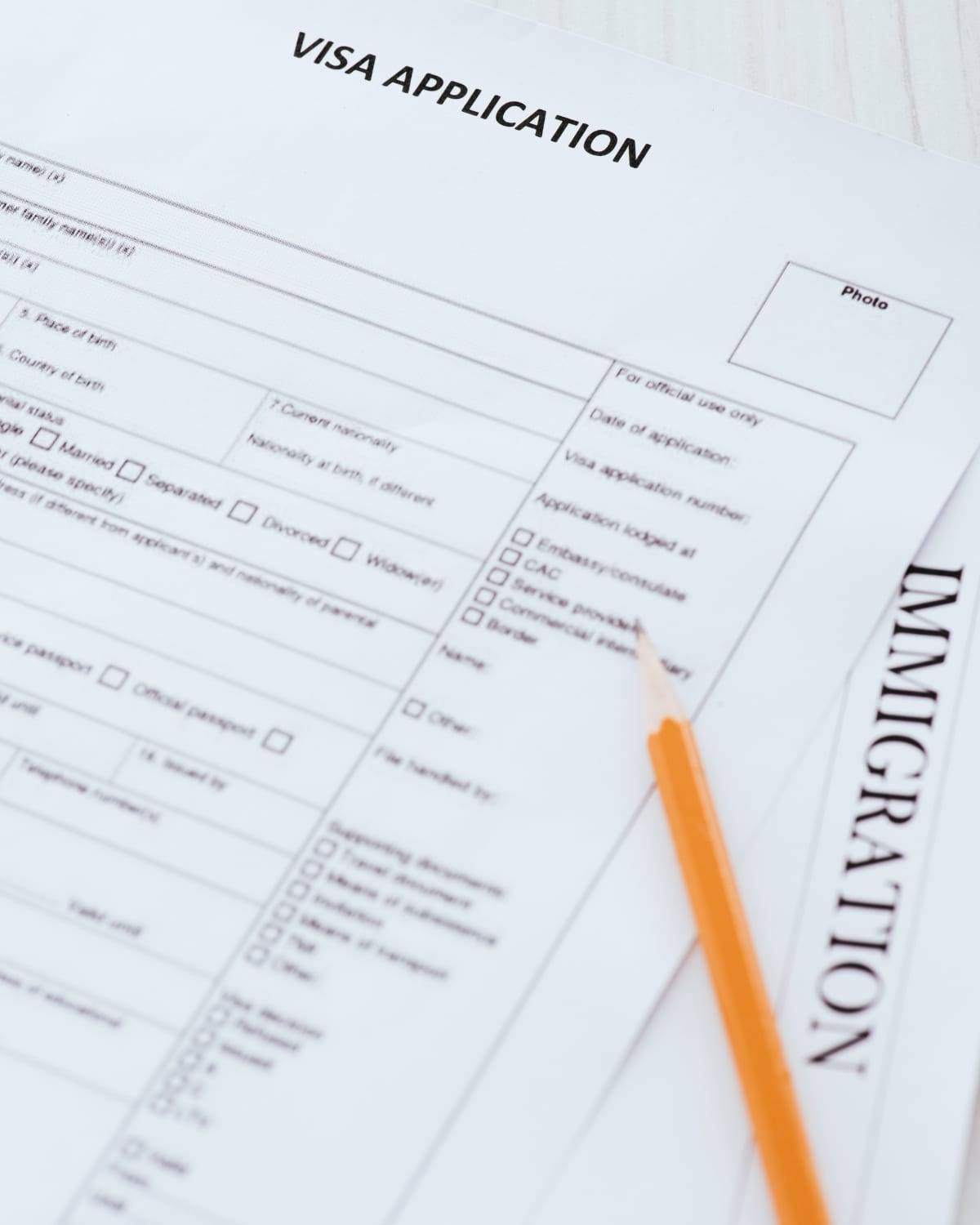
The clearest evidence we have on this comes directly from retirees who made the move. One Canadian retiree, interviewed by Expat.com after relocating to Senta, put it plainly: “double-check the legalities; in countries such as Serbia the bureaucracy is unbelievably daunting.” That is the honest starting point for this page.
Why retirees choose Serbia
- Affordability. Daily costs, from groceries to rent to routine services, run well below equivalent US, Canadian, or UK cities, stretching a fixed retirement income further.
- Healthcare that works, once you understand the system. Private clinics are widely used by retirees for speed and English-speaking staff, alongside the public system.
- A slower pace. Life outside central Belgrade moves at a noticeably slower rhythm than most Western capital cities, which is a genuine draw for many retirees rather than an afterthought.
- A workable, if not simple, residence route. There is no dedicated retirement visa, but property-based and income-based residence routes serve the same function in practice.
What a retiree actually needs first
Proof of income or savings that satisfies the actual requirement. Serbia’s residency routes for non-working applicants are typically property-based or income-based. We confirm what your specific pension, Social Security, or savings documentation needs to show, rather than quoting an unverified threshold.
A real healthcare plan. Not just a travel insurance policy, but an understanding of which clinics other retirees use, what private insurance actually covers, and how the public system works as a backstop. We walk through this concretely rather than assuming one insurance product covers everything.
Banking that can actually move money internationally. A retired Canadian professional interviewed by Expat.com reported “unexpected intermittent issues transferring money from Canada” after relocating to Serbia. This kind of friction is common enough that we recommend testing a transfer early, and we point clients toward banks with a better track record for foreign retirees.
Common mistakes retirees make
The most common mistake is underestimating the bureaucracy, exactly the warning the Expat.com-interviewed retiree gave to others considering the same move. The second is assuming pension or benefit transfers will work exactly as they did at home, without testing the actual transfer mechanics first.
Frequently asked questions
Is there a dedicated retirement visa for Serbia? No. Retirees typically use a property-based or income-based temporary residence route, the same general framework used by other non-working applicants. There is no bespoke “retirement visa” product.
How much income or savings do I need to retire in Serbia? Requirements vary by route and are not consistently published across sources. We confirm current figures against the primary source before you apply, rather than quoting an unverified number.
Is healthcare good enough for a retiree in Serbia? Serbia has both public and private healthcare. Many retirees use private clinics for faster appointments and English-speaking staff. Confirm your specific coverage needs with an insurance advisor before relocating.
Will my pension or Social Security payments actually arrive? Clients we’ve worked with have received these payments in Serbia, but intermittent international transfer issues have been reported by retirees. [Source: Expat.com] Test a transfer early and keep a buffer for delays.
Is Serbian bureaucracy really as bad as people say? Retirees who’ve made the move describe it as genuinely daunting without help, per Expat.com’s published interviews. This is exactly the gap we exist to close - we prepare and file the paperwork so you don’t face it alone.
What’s the pace of daily life like for a retiree? Slower than most Western capital cities, particularly outside central Belgrade. Smaller cities and towns offer an even quieter pace, which is part of the appeal for many retirees.