Article
Most people moving to Serbia default to Belgrade because it is the name they already know. That is a reasonable starting point, not necessarily the right answer. Novi Sad, two hours north, is a genuinely different city, and for some newcomers, a better fit.
This post compares them honestly, on the factors that actually change daily life, not on brochure language.
Start with what each city actually is
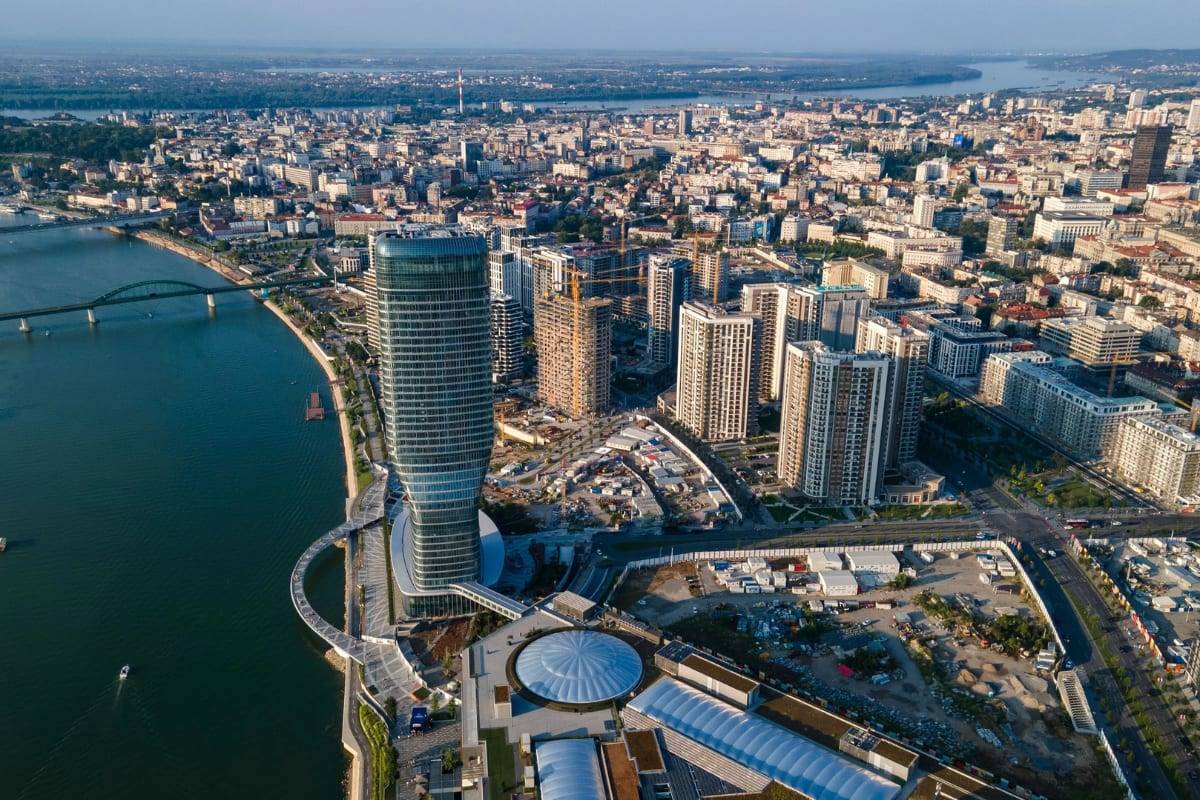
Belgrade is Serbia’s capital and by far its largest city, with just over a million people in the metro area. It has the country’s main airport, its largest job market, its biggest international community, and its widest range of everything from coworking spaces to specialist doctors.
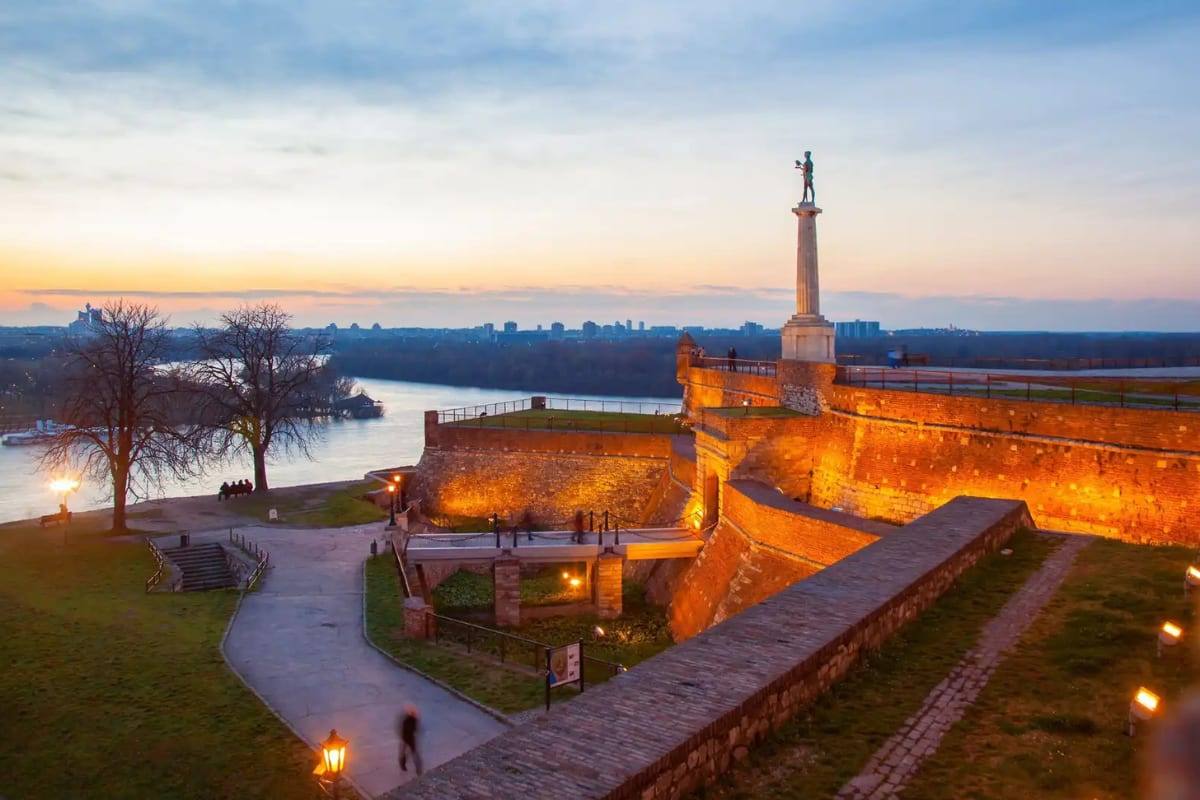
Novi Sad is Serbia’s second city, a Danube-side university town roughly two hours north by road. It is compact, walkable, and considerably quieter, with its own strong cultural identity as the country’s unofficial cultural capital and former European Capital of Culture designee.
Neither city is objectively “better.” They suit different people, and the mistake we see most often is choosing based on which one a visitor happened to see first on a scouting trip.
Cost of living: Novi Sad usually wins, but not everywhere
Rent is the category where the gap is widest. Novi Sad apartments, especially outside its small historic centre, typically rent for meaningfully less than a comparable unit in Belgrade’s popular central neighbourhoods.
Groceries, transport, and dining out narrow that gap considerably. Both cities draw on similar regional supply chains, so a coffee or a meal at a neighbourhood restaurant costs roughly the same in either city. For the fuller category-by-category breakdown, see our cost of living in Belgrade post, and use the cost of living calculator to compare both cities against your own budget.
Pace of life and daily rhythm
Belgrade runs at genuine capital-city speed. Traffic is heavier, the nightlife is louder and later, and there is always something happening, sometimes several things competing for the same evening.
Novi Sad moves slower in a way that is deliberate, not underdeveloped. Its centre is small enough to walk end to end in under thirty minutes, the Danube waterfront is a daily fixture rather than an occasional outing, and the city empties out noticeably by late evening outside festival season.
People who thrive in Belgrade tend to describe wanting options and momentum. People who thrive in Novi Sad tend to describe wanting to actually use the quiet they moved for.
Community and social life
Belgrade has the larger, more visible international community: more coworking spaces, more expat meetups, more English-language events, and a critical mass of other foreigners at every life stage, from young remote workers to retirees.
Novi Sad’s international community is smaller but real, concentrated partly around its university (which draws international students and academic staff) and a growing remote-work presence. It is easier to become a known face in Novi Sad faster, precisely because the community is smaller.
Jobs, coworking, and remote work infrastructure
If your relocation depends on local employment rather than remote income, Belgrade’s job market is deeper across almost every sector, including the IT and services roles most likely to sponsor a foreign hire.
For remote workers on foreign income, both cities have workable coworking spaces and reliable fibre internet in central areas. Belgrade simply has more of them, and more variety in coworking culture, from corporate-feeling spaces to informal cafe-adjacent setups.
Families and schooling
Belgrade has a wider range of international schools, covering British, American, French, German, and IB curricula, which matters if your children need continuity with a specific national system.
Novi Sad’s school options are more limited for foreign curricula specifically, though local public and some private schools are a genuine option for families planning a longer-term stay and willing to integrate faster. Our family relocation toolkit covers how to sequence school enrollment against your residence filing regardless of which city you choose.
Healthcare access
Belgrade’s size gives it the country’s widest range of private clinics and specialists, which matters most for complex or ongoing medical needs. Novi Sad has solid general private and public healthcare but a thinner specialist bench for less common conditions.
Neither city has a coverage gap for routine care. The difference shows up mainly for specialist referrals, where Belgrade’s larger private hospital network has more depth.
Can you get the best of both?
Some residents genuinely do split the difference: living in Novi Sad for cost and pace, and travelling to Belgrade periodically for flights, specialist appointments, or business meetings. The two cities are connected by highway and improving rail service, with a drive under two hours in normal traffic.
This works best for people without a daily commute requirement and with some flexibility in their schedule. It works poorly for anyone who needs to be in Belgrade multiple days a week.
How to actually decide
Ask yourself three questions honestly, rather than defaulting to whichever city you have already heard of.
- Do you need daily access to a large international community, or would a smaller one suit you better? Belgrade if the former, Novi Sad if the latter.
- Does your income depend on local employment, or is it fully remote? Local employment favours Belgrade’s deeper job market.
- Do you want pace and options, or quiet and walkability? This is the most honest version of the question, and the one people answer least accurately before they have actually lived in either city.
If you are still unsure, our best cities in Serbia for expats guide widens the comparison beyond these two, including smaller cities that suit specific priorities neither Belgrade nor Novi Sad covers as well.
The next step
Your registered residence address needs to match where you actually live, and it affects which local office handles your file, so it is worth deciding your base city before, not after, you begin your residence application.
Book a free 30-minute call and we will talk through which city actually fits your situation, honestly, including the parts that do not flatter either city over the other.
Frequently asked questions
Is Novi Sad cheaper than Belgrade? Generally yes, especially on rent. The gap narrows for groceries and dining out, which cost roughly the same in both cities.
Which city has more remote workers and digital nomads? Belgrade, by a wide margin, though Novi Sad has a genuine and growing remote-work presence around its university district.
Is Novi Sad too small if I do not speak Serbian? It is more manageable than people assume in the centre, though English fluency is less universal than in central Belgrade.
Can I commute between the two cities? Yes, by highway or rail, in under two hours. This works best without a daily commute requirement.
Which city is better for families with children? Belgrade has more international school options. Novi Sad offers a calmer daily routine some families prefer. See our family relocation toolkit.
Does it matter which city I register my residence permit in? Yes, your registered address determines which local MUP office handles your file, so decide your base city before filing.
Which city has a better healthcare system for expats? Belgrade has a wider range of private clinics and specialists. Novi Sad has solid general care but a thinner specialist bench.