Article
Search “importing a car into Serbia” and most results jump straight into customs paperwork and emissions standards. That is the right information for the wrong first question. Before any of that matters, the real question is whether you need a car in Serbia at all, and the honest answer depends entirely on where you settle.
The short answer, by location
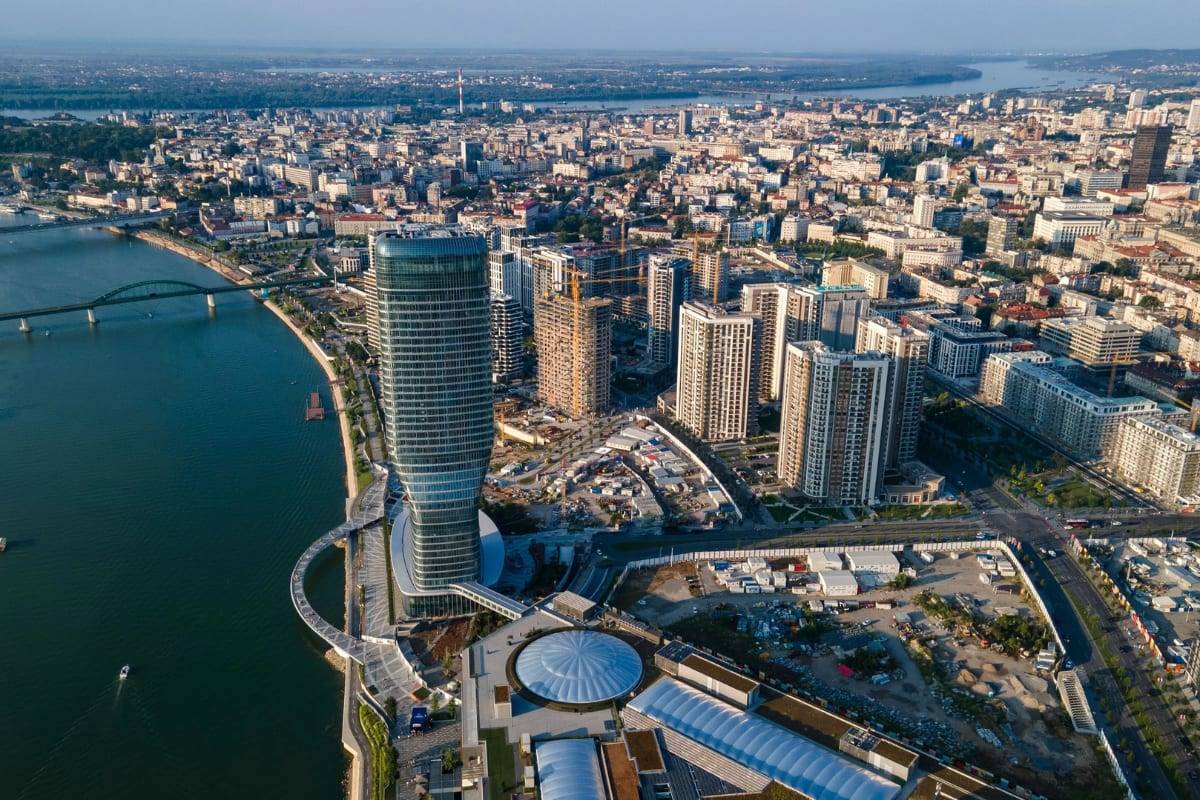
If you are settling in central Belgrade or Novi Sad, most residents get by without a car. If you are settling in a smaller town, a rural area, or a Belgrade neighbourhood far from the centre, a car becomes considerably more useful, sometimes close to necessary.
This is not a universal rule. It is a genuine trade-off worth thinking through honestly before committing either way.
Central Belgrade: mostly no
Belgrade’s public transport network of buses, trams, and trolleybuses covers the central and inner neighbourhoods reasonably well, and a monthly pass costs a small fraction of what equivalent passes cost in most Western European capitals.
Combine that with walkability in neighbourhoods like Vracar, Dorcol, and Stari Grad, plus widely available ride-hailing apps for anything public transport does not cover well, and most central residents genuinely do not miss having a car day to day. City-centre traffic and limited, often expensive parking are real deterrents on top of that, not just a lack of need. See our Belgrade neighbourhoods ranked post for how walkability varies by area specifically.
Outer neighbourhoods and Novi Sad: it depends
Areas further from the centre, parts of outer Novi Beograd, Zemun, or Dedinje, are less consistently served by frequent public transport, and a car starts making more practical sense here, particularly for families managing school runs or regular errands.
Novi Sad, Serbia’s second city, has its own public transport network but generally thinner coverage than central Belgrade. Residents there report a more mixed picture: comfortable without a car if living centrally, more car-dependent further out.
Smaller towns and rural areas: generally yes
Smaller Serbian towns and rural areas have meaningfully thinner public transport coverage than the two largest cities. If you are settling somewhere smaller for lifestyle or cost reasons, a car moves from convenience to close to a practical necessity for daily life and regional travel.
The real cost question: buy locally, or import?
If you decide you do need a car, the next honest question is whether to import a car from your home country or buy one locally in Serbia.
Most US-made vehicles do not meet the Euro-standard emissions requirements Serbia requires for import and registration, which disqualifies a meaningful share of otherwise perfectly functional American cars from being imported at all. This is a detail we see buried or omitted entirely in a lot of relocation content, and it is worth confirming for your specific model before you plan around bringing a car with you.
Whether importing a qualifying vehicle actually saves money compared with buying locally depends on the specific car, its age, and current import duty and VAT treatment. There is no universal answer here; it needs a genuine case-by-case comparison rather than a rule of thumb. See our complete guide to moving to Serbia for how car import fits into the wider relocation sequence, or book a call to walk through the comparison for your specific vehicle.
The middle option: rent or share instead of owning
If your need for a car is occasional rather than daily, car rental and car-sharing services are available in Belgrade and Novi Sad and are often meaningfully more cost-effective than owning and maintaining a car you use only a few times a month.
This suits people who want the option of a car for weekend trips or occasional larger errands, without the ongoing cost of registration, insurance, and parking that daily ownership carries.
A practical decision framework
Rather than deciding based on habit from your home country, work through these questions honestly:
- Where exactly will you live? Central Belgrade or Novi Sad points toward “probably not needed.” A smaller town or rural area points toward “probably useful.”
- Do you have children needing regular school transport, or errands in areas with thin public transport coverage? This shifts the calculation toward owning, regardless of city.
- Would rental or car-sharing cover your actual occasional need, rather than daily ownership? For many centrally based newcomers, this is the more cost-effective middle ground.
- If importing, does your specific vehicle meet Serbia’s Euro emissions standard for registration? Confirm this before assuming your current car qualifies.
Mistakes we see most often
- Assuming a car is automatically necessary, based on home-country habits, without checking actual public transport coverage in the specific neighbourhood chosen.
- Planning to import a specific US vehicle without first confirming it meets Serbia’s emissions standard for registration.
- Underestimating central Belgrade parking cost and difficulty when weighing whether to keep a car.
- Not considering rental or car-sharing as a genuine middle option between owning and going without entirely.
What to do next
If you have decided a car makes sense for your situation, whether importing your current vehicle or buying locally, our complete guide to moving to Serbia covers the wider registration and paperwork sequence, or book a call and we’ll walk through the real cost comparison for your specific vehicle.
If you are still deciding where to live and whether a car factors into that choice, book a free 30-minute call. We can talk through your specific neighbourhood options alongside this question, rather than treating it in isolation.
Frequently asked questions
Do I need a car if I live in central Belgrade? Most central residents get by comfortably without one, using public transport, walking, and ride-hailing apps.
What about Novi Sad or smaller towns? Coverage is generally thinner outside the two largest cities, making a car more useful, especially further from the centre.
Can I import my US car into Serbia easily? Not always. Many US-made vehicles do not meet Serbia’s required Euro emissions standard. Confirm your specific model first.
Is it cheaper to buy a car locally or import one? It depends on the specific vehicle, age, and current duty and VAT rules. This needs a case-by-case comparison.
Is driving in Belgrade difficult for newcomers? City-centre traffic and parking can be genuinely challenging, part of why many central residents skip car ownership.
Do ride-hailing apps work well in Serbia? Yes, widely available and commonly used in Belgrade and Novi Sad.
What if I need a car occasionally, not daily? Rental and car-sharing services are available and often more cost-effective than ownership for occasional use.